

Gut Health Supplements Explained in Under 3 Minutes: What Really Works for Your Digestive Wellness
- nyevigour
- Nov 6, 2025
- 4 min read
Your gut houses trillions of bacteria that control everything from digestion to immunity. When this system gets out of balance, you feel it. Bloating, irregular digestion, low energy, and frequent illness all point back to gut health issues.
Gut health supplements aim to restore this balance, but the market is flooded with options making bold claims. Here's what actually works and what you need to know before spending your money.
The Main Players in Gut Health Supplements
Probiotics: The Live Bacteria
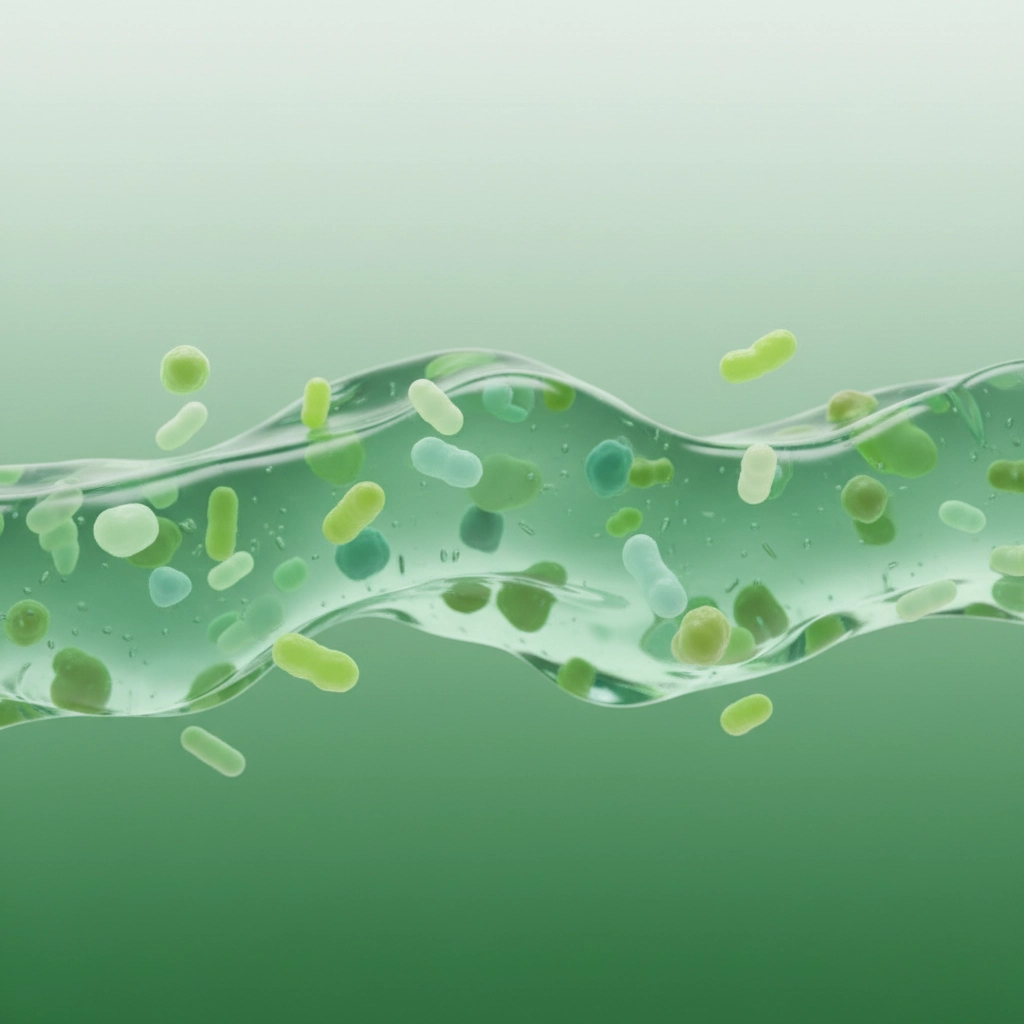
Probiotics are live microorganisms that add beneficial bacteria to your gut. Think of them as reinforcements for your digestive army. They come measured in CFUs (Colony Forming Units), with effective doses typically ranging from 1 billion to 100 billion CFUs.
Multi-strain probiotics outperform single-strain versions. Your gut contains hundreds of different bacterial species, so variety matters. Look for supplements containing Lactobacillus and Bifidobacterium strains, as these have the most research backing their effectiveness.
Prebiotics: Food for Good Bacteria
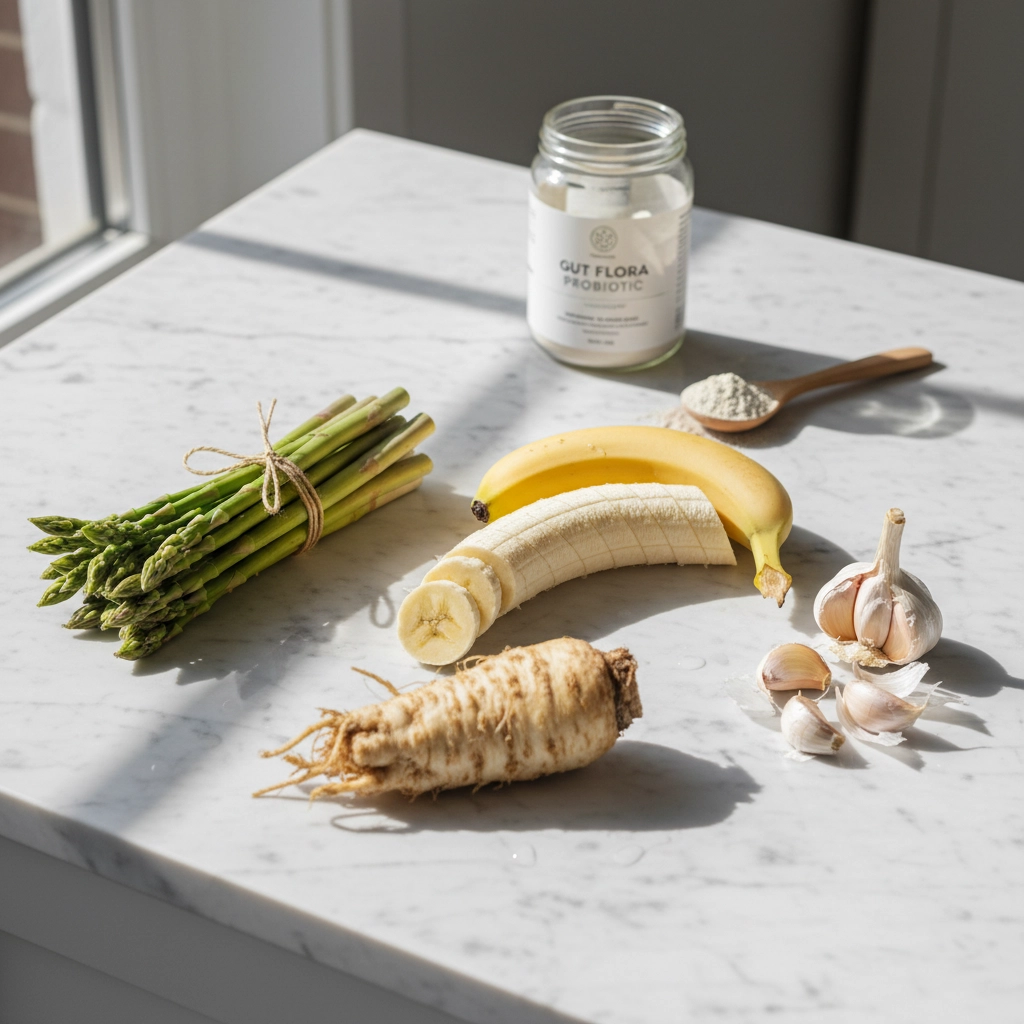
Prebiotics are non-digestible fibers that feed your existing good bacteria. Without proper fuel, even the best probiotics struggle to establish themselves in your gut. Common prebiotic sources include inulin, fructooligosaccharides (FOS), and resistant starch.
The key is finding supplements that combine prebiotics with probiotics, creating what experts call a "synbiotic" effect.
Digestive Enzymes: Breaking Down the Barriers
Your body produces enzymes to break down food, but stress, age, and poor diet can reduce their effectiveness. Supplemental digestive enzymes help break down proteins, fats, and carbohydrates, reducing bloating and improving nutrient absorption.
Key enzymes include:
Protease for proteins
Lipase for fats
Amylase for carbohydrates
Lactase for dairy
L-Glutamine: Gut Lining Repair
L-glutamine is an amino acid that helps repair and maintain your intestinal lining. A damaged gut lining allows toxins to enter your bloodstream, triggering inflammation and digestive issues. This supplement is particularly useful for people with leaky gut syndrome or those recovering from illness.
What Actually Works: The Science
Research shows that combination supplements outperform single-ingredient products. Your digestive system is complex, and addressing multiple aspects simultaneously produces better results.
Effective gut health supplements typically include:
Multiple probiotic strains (5+ different types)
Prebiotic fiber to feed the probiotics
Digestive enzymes for better food breakdown
Gut lining support ingredients like L-glutamine
Studies indicate that people see improvements in digestive comfort within 2-4 weeks of consistent use. However, building a healthy gut microbiome is a long-term process that can take 3-6 months.
Common Myths About Gut Health Supplements
Myth 1: Higher CFU Count Always Means Better
More isn't always better. A supplement with 50 billion CFUs of one strain may be less effective than 10 billion CFUs of multiple strains. Diversity matters more than sheer numbers.
Myth 2: All Probiotics Are the Same
Different probiotic strains do different things. Some focus on immune support, others on digestive comfort, and some on mental health. Generic "probiotic" supplements without strain specificity are often less effective.
Myth 3: You Only Need Probiotics
Taking probiotics without prebiotics is like planting seeds without water. You need both to create lasting change in your gut microbiome.
Myth 4: Expensive Means Better
Price doesn't guarantee quality. Some premium-priced supplements contain fewer active ingredients than mid-range options. Focus on ingredient quality and third-party testing rather than marketing claims.
Choosing the Right Supplement for Your Needs
For General Digestive Health
Look for comprehensive formulas containing:
5-10 billion CFUs of mixed probiotic strains
Prebiotic fiber (2-5 grams)
Basic digestive enzymes
Gut-supporting nutrients like zinc or L-glutamine
For Post-Antibiotic Recovery
After antibiotics wipe out your gut bacteria, you need intensive restoration:
Higher CFU counts (25-50 billion)
Diverse strain selection (10+ different strains)
Strong prebiotic component
Take for at least 3 months
For Digestive Enzyme Deficiency
If you experience bloating, gas, or discomfort after meals:
Focus on comprehensive enzyme blends
Look for HCl support if you have low stomach acid
Consider taking enzymes with each meal
Nye's Digestive Enzyme Boost offers targeted digestive support
For Colon Health
For overall colon wellness and regularity:
Higher fiber content
Specific strains like Bifidobacterium longum
Magnesium for regularity
Nye's Colon Support Complex provides comprehensive colon health support

What to Look For on Labels
Quality Indicators
Third-party testing certification
Specific strain names (not just "Lactobacillus")
Expiration dates and storage requirements
No unnecessary fillers or artificial ingredients
Red Flags
Proprietary blends without specific amounts
Unrealistic health claims
No CFU count listed
Extremely cheap prices compared to competitors
Timing and Taking Your Supplements
Take probiotics on an empty stomach or with a small amount of food. Stomach acid can kill beneficial bacteria, so timing matters. Many people find taking probiotics first thing in the morning or before bed works best.
Digestive enzymes should be taken with meals to help break down food. Start with one capsule per meal and adjust based on how you feel.
Consistency matters more than perfect timing. Pick a schedule you can stick to long-term.

Supporting Your Supplements
Supplements work best as part of a gut-healthy lifestyle:
Eat diverse, fiber-rich foods
Limit processed foods and excess sugar
Manage stress through exercise or meditation
Get adequate sleep (7-9 hours)
Stay hydrated
Your diet provides the foundation, and supplements fill in the gaps. No supplement can overcome a consistently poor diet.
When to Expect Results
Most people notice initial improvements within 2-3 weeks:
Reduced bloating
More regular bowel movements
Less digestive discomfort
Deeper changes take longer:
Improved immunity (6-8 weeks)
Better nutrient absorption (8-12 weeks)
Complete microbiome rebalancing (3-6 months)
Be patient and consistent. Your gut microbiome took years to develop its current state, so meaningful change takes time.
The Bottom Line
Effective gut health supplements combine multiple ingredients rather than focusing on single components. Look for products containing diverse probiotic strains, prebiotic fiber, digestive enzymes, and gut-supporting nutrients.
Start with a comprehensive formula suited to your specific needs. Give it at least 8-12 weeks to work, and support your supplements with a gut-friendly diet and lifestyle.
Your digestive wellness impacts every aspect of your health. Investing in quality gut health support pays dividends in energy, immunity, and overall well-being. Choose wisely, be consistent, and give your gut the support it needs to thrive.


Comments