

Preventative Health in 2026: Which Supplements to Take Before You Get Sick (And Which to Skip)
- nyevigour
- Feb 6
- 4 min read
Preventative health is about staying ahead of the game. It's easier to keep your body strong than to fix it after you're already sick.
The supplement aisle can be overwhelming. Hundreds of bottles promise immunity, energy, and protection. But which ones actually help before you get sick? And which ones are just marketing hype?
This guide breaks down what's worth taking in 2026 and what you can skip.
The Core Four: Supplements Actually Worth Taking
These four supplements show up consistently in evidence-based research. They support your immune system before illness strikes.
Vitamin D
Vitamin D regulates immune function. Most people don't get enough, especially during winter months.
Low vitamin D levels are linked to increased susceptibility to infections. Your body needs it to activate immune cells that fight off pathogens.
If you work indoors or live in a climate with limited sunshine, vitamin D supplementation makes sense year-round.
Zinc
Zinc is essential for infection defense. It helps your immune cells communicate and respond to threats.
Studies show zinc can reduce the duration and severity of colds when taken preventatively. It's not a cure, but it gives your body better tools to fight back.
The key is consistent, moderate doses. Too much zinc can actually interfere with copper absorption and weaken immunity.
Vitamin C
Vitamin C supports white blood cell production and activity. These cells are your body's first line of defense against invaders.
While vitamin C won't prevent every cold, it helps maintain immune resilience. Think of it as keeping your defenses alert and ready.
Your body doesn't store vitamin C, so regular intake matters more than megadoses.
Probiotics
Your gut houses roughly 70% of your immune system. A balanced microbiome means better immune resilience.
Specific strains like Bifidobacterium longum and Lactiplantibacillus plantarum have shown benefits in clinical studies. They help maintain the gut barrier and support immune signaling.
Not all probiotics are equal. Look for products that list specific bacterial strains and CFU counts.
Additional Supplements That Help
Beyond the core four, these supplements offer solid preventative benefits.
B Vitamins (B6 and B9)
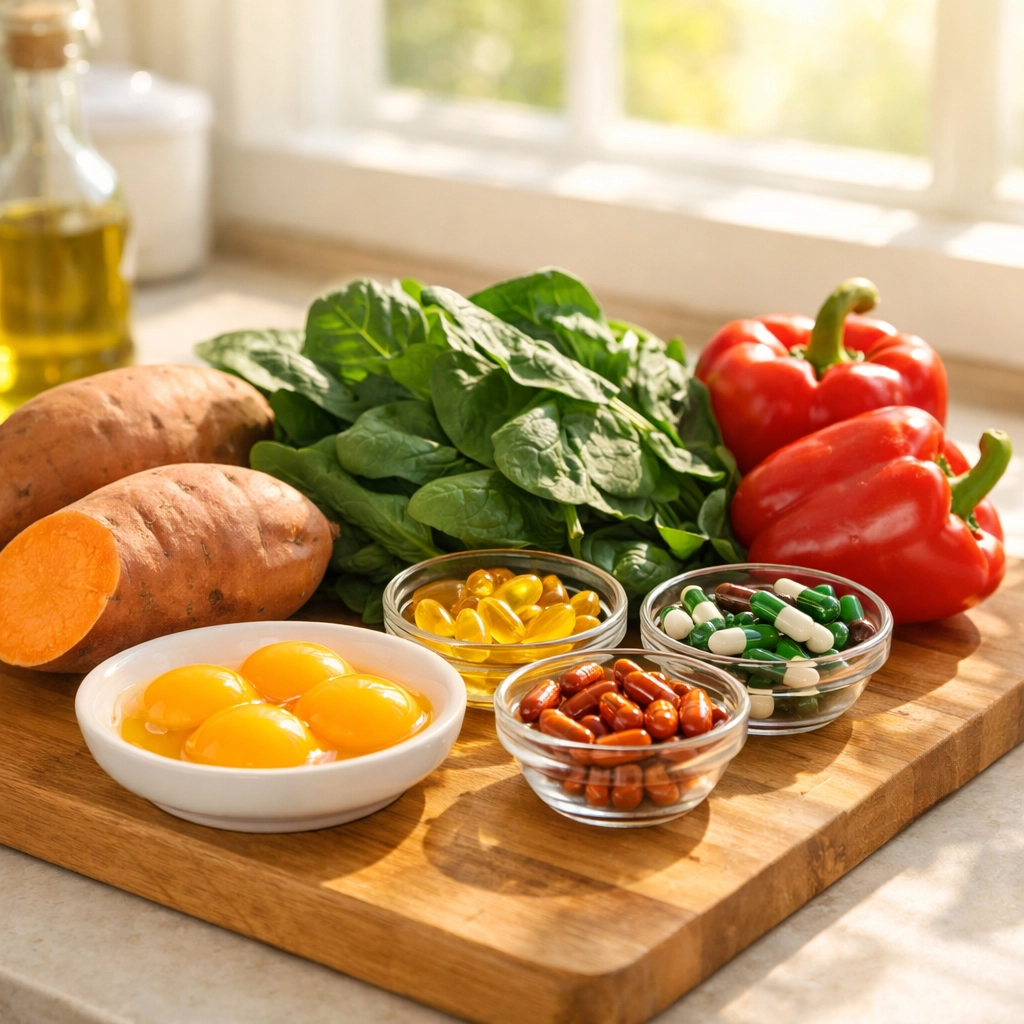
B vitamins support white blood cell production. B6 and B9 (folate) are particularly important for immune cell development.
Deficiencies in these vitamins can impair your body's ability to respond to infections. Most people get enough from diet, but supplementation helps if you're low.
Vitamin A
Vitamin A maintains the integrity of mucous membranes in your respiratory tract. These membranes are your body's first physical barrier against airborne pathogens.
It also supports the production and function of immune cells. Just don't overdo it: vitamin A is fat-soluble and can accumulate to toxic levels.
Medicinal Mushrooms
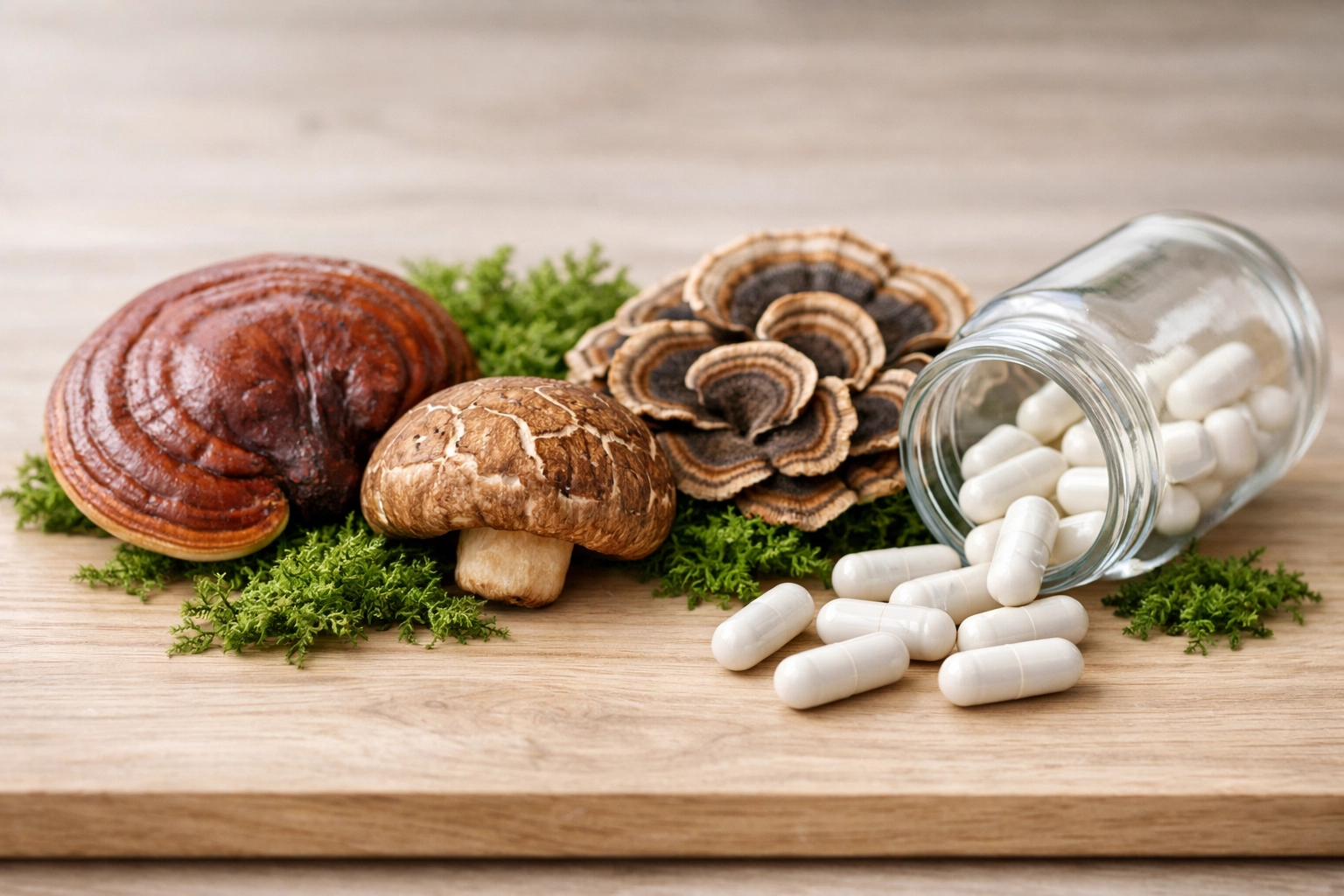
Mushroom extracts like reishi, shiitake, and turkey tail have immune-modulating properties. They help balance immune responses rather than simply boosting them.
These fungi contain beta-glucans that activate immune cells. They appear consistently in expert recommendations for general immune support.
Elderberry
Elderberry extract has been used for centuries for immune support. Modern research suggests it can help reduce the duration of upper respiratory symptoms.
It works preventatively by supporting your body's natural defenses. The key is taking it regularly, not just when you feel something coming on.
Turmeric
Turmeric contains curcumin, a compound with anti-inflammatory properties. Chronic inflammation weakens immune function over time.
Regular turmeric supplementation helps maintain a balanced inflammatory response. Pair it with black pepper (piperine) to improve absorption.
Garlic
Garlic has antimicrobial and immune-supporting properties. It's backed by solid evidence for general immune function.
Fresh garlic is great, but aged garlic extract in supplement form offers consistent dosing and less odor.
Echinacea
Echinacea is often taken at the first sign of illness, but it can also support preventative immune health. Studies show mixed results, but many people find it helpful.
The quality and type of echinacea matters. Look for products that specify Echinacea purpurea or Echinacea angustifolia.
What to Skip or Be Cautious About
Not every supplement deserves a spot in your preventative routine.
Supplements with Minimal Doses
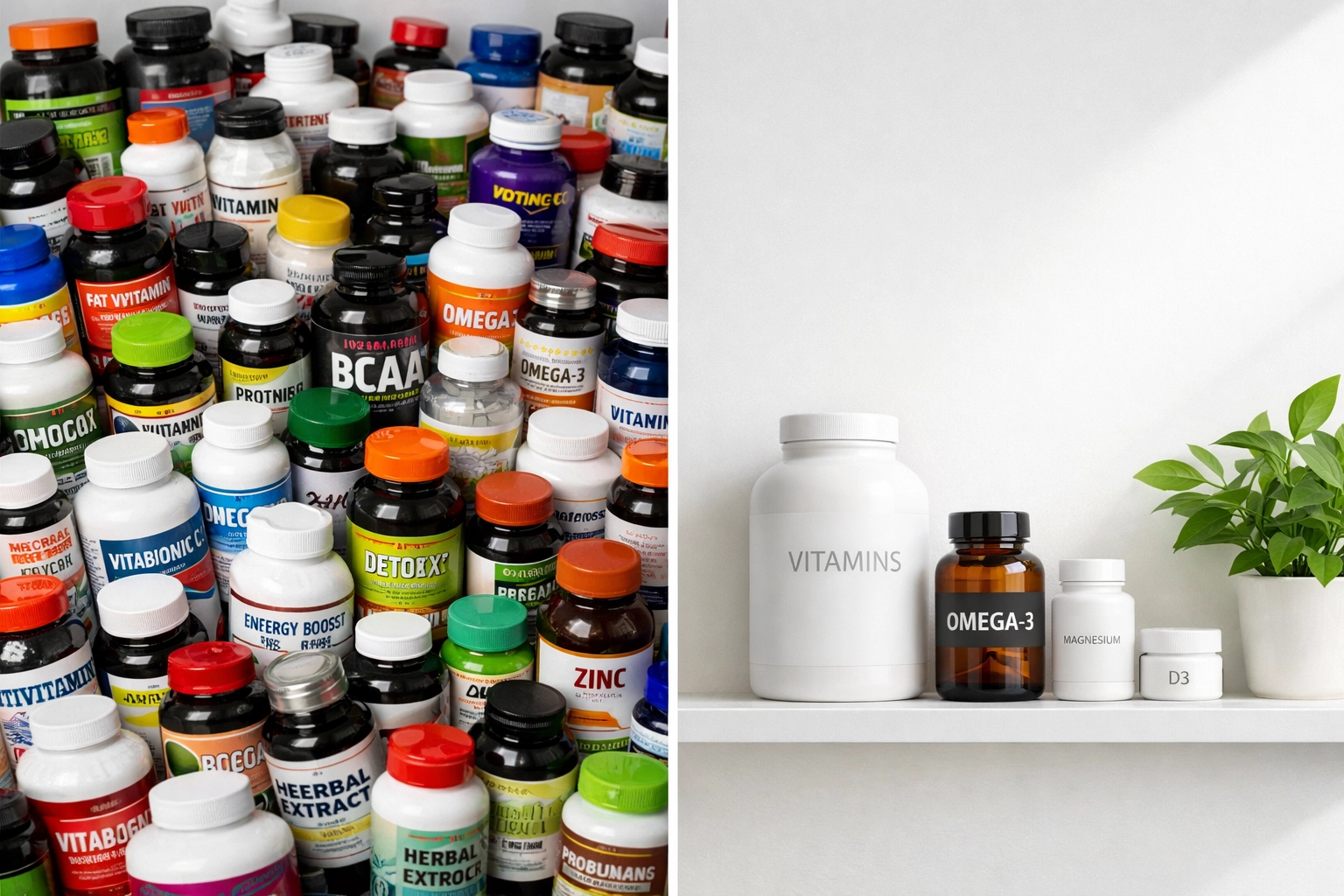
Some products include impressive-sounding ingredients at doses too low to make a difference. Check whether key nutrients meet at least the Nutrient Reference Value (NRV).
If a supplement lists 10+ ingredients but provides tiny amounts of each, it's probably more marketing than medicine.
High-Dose "Sick Day" Formulas
Products designed for acute illness often suggest three tablets three times daily. These are meant for when you're already sick, not for daily prevention.
Taking excessive doses preventatively can stress your liver and kidneys. It's also expensive and unnecessary.
Botanical Blends Without Evidence
Many supplements include exotic herbs and extracts with limited research. While some traditional remedies work, others are just trendy ingredients.
If a company can't explain why an ingredient is included or point to supporting research, be skeptical.
Redundant Supplements
Taking multiple products with overlapping ingredients wastes money and increases risk of excessive intake. Vitamin D in your multivitamin plus your immune formula plus your bone health supplement adds up quickly.
Audit your supplement routine periodically. You might be doubling or tripling certain nutrients without realizing it.
Practical Tips for Preventative Supplementation
Start simple. Pick the core four supplements and add others based on your specific needs.
Take supplements consistently. Preventative health works best with daily habits, not sporadic efforts.
Check for interactions with medications. Some supplements can interfere with prescription drugs. Ask your doctor or pharmacist if you're unsure.
Don't rely solely on supplements. They support a healthy lifestyle, they don't replace it. Sleep, nutrition, stress management, and exercise matter more than any pill.
Buy from reputable brands. The supplement industry is loosely regulated. Choose companies that test for purity and potency.

Adjust seasonally. You might need more vitamin D in winter or extra immune support during cold and flu season. Preventative health isn't one-size-fits-all year-round.
Monitor how you feel. If you're still getting sick frequently despite supplementation, something else might be off. Chronic stress, poor sleep, or underlying health issues can overwhelm even the best supplement routine.
Stay Ahead of the Game
Preventative health in 2026 is about smart choices, not excessive supplementation. Focus on the evidence-backed basics first.
Vitamin D, zinc, vitamin C, and probiotics form a solid foundation. Add B vitamins, vitamin A, medicinal mushrooms, and botanicals like elderberry, turmeric, or garlic if they make sense for your situation.
Skip the overhyped blends with minimal doses. Avoid excessive dosing meant for acute illness. Don't waste money on redundant products.
The goal is to keep your immune system ready before challenges arrive. That's the real advantage of preventative supplementation( staying healthy instead of scrambling to recover.)


Comments