

The Advantages of Juicing: Is Fresh Juice Actually Good for You?
- nyevigour
- Oct 21, 2025
- 3 min read
Fresh juice provides fast nutrient delivery and increases daily fruit and vegetable intake.
Below: key advantages and simple ways to add juice.
What Makes Fresh Juice Different?
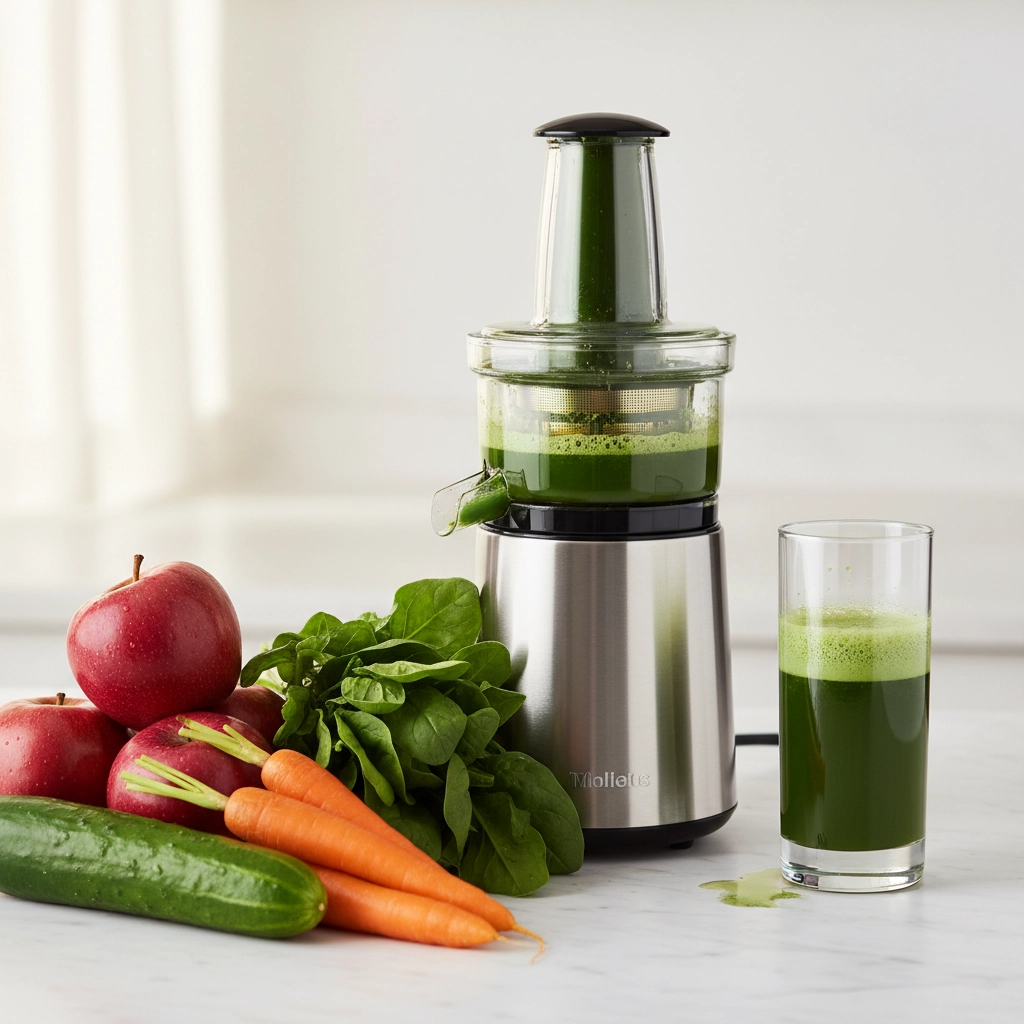
When you juice fruits and vegetables, you're basically extracting all the liquid goodness while leaving the pulp behind. This process concentrates nutrients into an easy-to-drink form that your body can absorb quickly.
Think of it this way - you could probably drink the juice from three apples much faster than you could eat three whole apples. That's the power of concentration at work.
The Real Benefits of Juicing
Quick Nutrient Absorption
One of juicing's biggest advantages is how fast your body can absorb nutrients. Without fiber slowing things down, vitamins, minerals, and plant compounds hit your bloodstream almost immediately. This makes juice particularly useful when you need a quick energy boost or are feeling run down.
Nutrient Density in Every Sip
A single glass of fresh juice can pack in nutrients from several pounds of produce. This means you're getting a concentrated dose of vitamins, minerals, and antioxidants that would be hard to match by eating whole fruits and vegetables alone.
Cold-pressed juices are especially good at preserving these nutrients since no heat is used in the process, keeping all those beneficial plant compounds intact.
Easier on Sensitive Stomachs
If you're dealing with digestive issues, recovering from illness, or have conditions like IBS or Crohn's disease, juice can be a godsend. Without fiber to process, your digestive system gets a break while still receiving important nutrients.
This makes juicing particularly valuable during times when eating solid food feels challenging or uncomfortable.
Heart Health Benefits
Research shows some interesting cardiovascular perks from drinking fresh fruit and vegetable juice. Studies have found that juice consumption can increase nitric oxide in your blood, which helps expand blood vessels and lower blood pressure.
This basically means your blood vessels stay more flexible and healthy - definitely a win for your heart.
Hydration Plus
Fresh juice is packed with water, making it an excellent way to stay hydrated while getting extra electrolytes and nutrients. This is especially helpful after workouts or during hot weather when you need to replenish fluids quickly.
Weight Management Support
Some research suggests that juice-based diets can lead to beneficial changes in gut bacteria associated with weight loss. A study on a 3-day juice diet showed participants experienced changes in their intestinal microbiome that persisted for weeks after the intervention.
Making Juicing Work for You
If you want to add juicing to your routine, here's how to do it smart:
Focus on Vegetables
Make vegetables the star of your juice blends. Leafy greens, cucumber, celery, and other veggies provide nutrients without excessive sugar. Add small amounts of fruit for flavor rather than making them the main ingredient.
Use It as a Supplement, Not a Replacement
Think of juice as a nutritional boost alongside your regular meals, not instead of them. You still need whole fruits, vegetables, proteins, and healthy fats for optimal health.
Watch Your Portions
Stick to smaller servings - 4-6 ounces rather than massive 16-ounce bottles. This helps control calories and sugar intake while still getting nutritional benefits.
Time It Right
Fresh juice works great as a pre-workout energy boost or an afternoon pick-me-up. The quick nutrient absorption can be particularly helpful when you need fast fuel.
The Bottom Line on Juicing
Key advantages:
Quick nutrient absorption
Higher fruit and vegetable intake
Hydration and electrolytes
Antioxidant support
Support for energy
Use juice as part of a balanced routine. Add a small serving to meals or snacks.
More nutrition tips: health and wellness articles.


Comments