

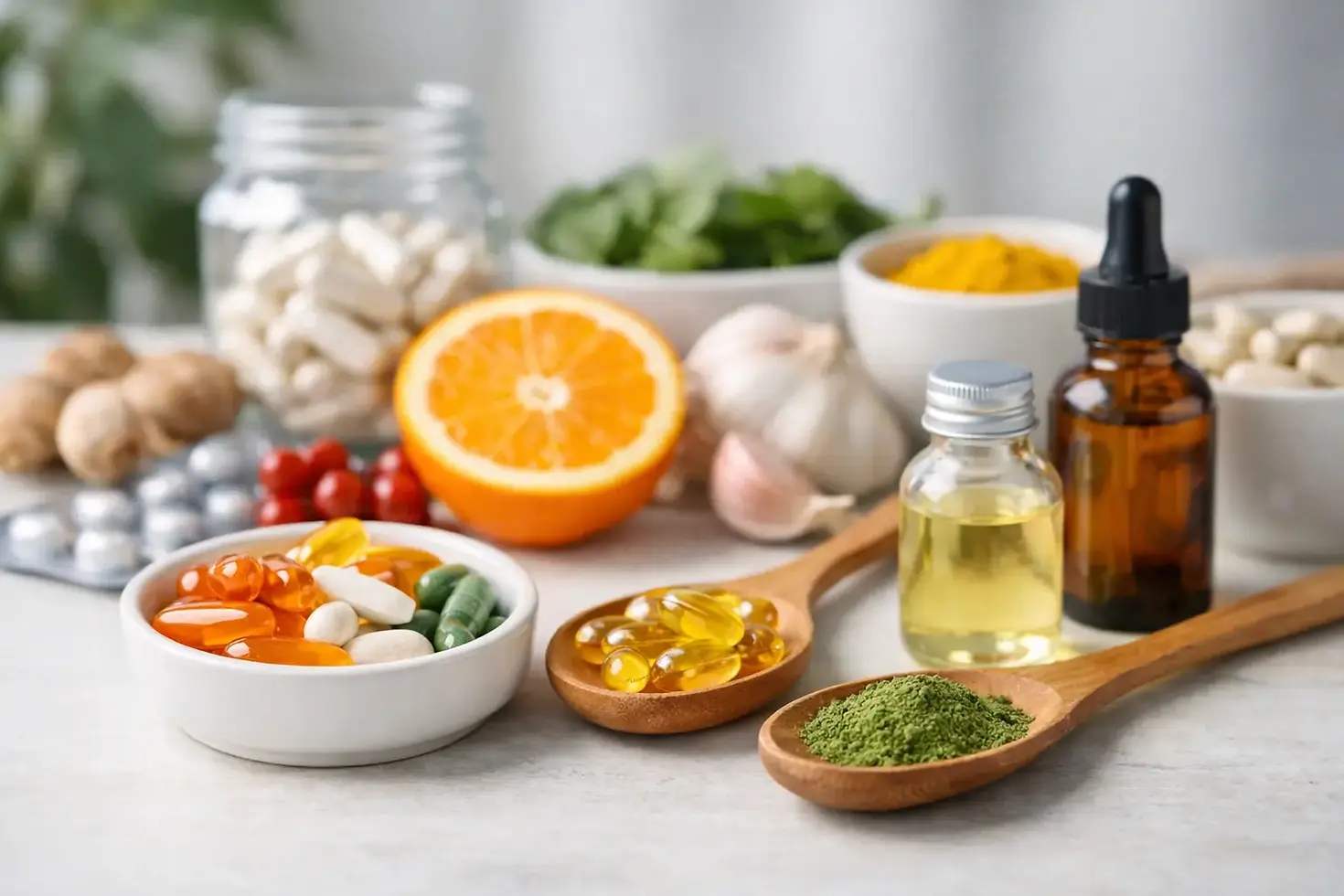
What Supplements Help Immunity Best?
- nyevigour
- May 30
- 6 min read
Cold season has a way of making immune support feel urgent. One week you are fine, the next you are stocking up on tissues, tea, and every wellness product that promises to help. If you have been asking what supplements help immunity, the honest answer is that a few ingredients stand out - but the best choice depends on your diet, lifestyle, stress levels, sleep, and any gaps you may already have.
Immune health is not built by one capsule alone. It is shaped by daily habits, from how well you sleep to whether you eat enough protein, fruits, vegetables, and healthy fats. Supplements can still play a valuable role, especially when they help fill nutritional gaps or offer targeted seasonal support. The key is knowing which ones have the most practical value and which ones are better treated as optional extras.
What supplements help immunity most often?
When people look for immune support, they usually come across a long list of vitamins, minerals, herbs, mushrooms, and blends. That can get confusing fast. In reality, a smaller group tends to come up again and again because these nutrients are closely tied to normal immune function.
Vitamin C is one of the best known. It helps support the normal function of immune cells and also acts as an antioxidant. That does not mean megadoses will keep you from ever getting sick, but it can be a helpful everyday option if your fruit and vegetable intake is inconsistent. People who eat very little produce, smoke, or live under high stress may be more likely to benefit from paying attention to vitamin C intake.
Vitamin D is another big one, and for good reason. It plays an important role in immune regulation, and low levels are common, especially for people who spend most of the day indoors or get limited sun exposure. This is one supplement that often makes sense in a practical daily routine, particularly during darker months. It is also a good example of why more is not always better. If you are already getting enough, taking very high doses without guidance is not the smartest move.
Zinc is often included in immunity formulas because it supports normal immune function and helps with cell signaling involved in the immune response. Zinc can be especially useful for people whose diets are low in zinc-rich foods or for those who follow restrictive eating patterns. Still, balance matters. Too much zinc over time can interfere with copper status and cause its own problems.
Then there is vitamin A, which supports the health of skin and mucosal tissues - your body's first line of defense - as well as immune function. It is important, but it is not usually the first supplement people need unless intake is low or a product is specifically designed to provide balanced daily support.
Selenium also deserves a mention. It helps protect cells from oxidative stress and supports immune function, but the dose matters because selenium is beneficial in modest amounts and less forgiving when overused. That is why many people do better with a carefully formulated multivitamin or a balanced immunity blend rather than stacking multiple high-dose single nutrients.
The role of botanicals in immune support
If you prefer a more natural wellness approach, herbs and botanicals can be appealing. They are also where marketing can get ahead of reality, so it helps to keep expectations grounded.
Elderberry is one of the most popular botanicals for seasonal wellness. Many people reach for it during colder months or when they feel run down. It fits well in syrups, gummies, capsules, and powders, and it is often combined with vitamin C or zinc. Elderberry can be a useful part of an immune-support routine, especially if you want something plant-based and easy to take, but it works best as part of a broader approach rather than a magic fix.
Echinacea has a long history in wellness products and is still widely used for immune support. Some people like to use it more occasionally than year-round, especially during periods when they feel they need extra support. Results can vary, and it tends to be one of those ingredients where personal preference matters. Some people swear by it, while others prefer to focus on vitamins and minerals first.
Astragalus is another botanical often found in herbal immune formulas. It is valued in traditional wellness systems and appeals to people looking for a more holistic blend. Mushroom ingredients such as reishi, shiitake, and turkey tail have also become more common in this space. They are often included in products aimed at everyday resilience and wellness rather than quick, short-term support.
Botanicals can be a smart addition, but they are not always the foundation. If your sleep is poor, your diet is inconsistent, and you are low in key nutrients, herbs alone are unlikely to do the heavy lifting.
What supplements help immunity if your lifestyle is hectic?
For many adults, the real challenge is not finding one impressive ingredient. It is building a routine that you will actually stick with. If your days are busy, simple usually wins.
A good multivitamin can be a practical starting point, especially if your meals are rushed or repetitive. It may not feel exciting, but it can quietly cover basic gaps that affect overall wellbeing, including immune health. If you want something more targeted, an immunity formula that combines vitamin C, vitamin D, zinc, and a botanical like elderberry can make sense because it reduces the guesswork.
If stress and poor sleep are part of the picture, it is worth thinking beyond classic immunity nutrients. Chronic stress can leave you feeling worn down, and poor recovery can make everything feel harder. In that case, supportive products aimed at rest, hydration, or daily wellness may indirectly help by supporting the bigger picture your immune system depends on.
That is one reason many wellness shoppers now prefer formulas that fit into real life rather than a shelf full of separate bottles. NYE Vigour sits naturally in that space, with a wellness approach that blends nutritional support and botanical ingredients in a way that feels both practical and natural.
How to choose wisely without overdoing it
The best immune supplement is not always the strongest one on the label. It is the one that makes sense for your needs and that you can use consistently and safely.
Start by looking at your baseline. If you rarely eat citrus, berries, peppers, leafy greens, nuts, seeds, eggs, seafood, or fortified foods, some nutritional support may be helpful. If you work indoors and get little sun, vitamin D deserves attention. If you are under constant pressure, sleeping badly, and eating on the go, a broader daily support formula may serve you better than a single trendy ingredient.
It is also smart to read labels with a calm eye. More ingredients do not always mean a better product. Some formulas overload nutrients far beyond daily needs, which can be unnecessary and sometimes counterproductive. Others use a long ingredient list with tiny amounts that sound good on the front of the package but do very little in practice.
Quality matters too. Look for products with clearly listed doses and forms, and be cautious about combining multiple supplements that repeat the same nutrients. This is especially relevant with vitamin D, zinc, selenium, and vitamin A, where high intake over time is not something to brush off.
If you have a health condition, take prescription medication, are pregnant, or have an autoimmune condition, extra care is worth taking before adding herbal or high-dose immunity products. Natural does not automatically mean right for everyone.
Food first, supplements second
Supplements can support immunity, but they work best when the basics are in place. A well-fed immune system relies on enough calories, enough protein, and a wide range of nutrients from whole foods. Colorful produce brings vitamin C and plant compounds. Protein provides the building blocks for immune cells. Healthy fats support overall balance, and hydration helps every system do its job.
There is also the less glamorous side of immunity: sleep, movement, and stress management. Missing sleep night after night can leave you feeling depleted. Constant stress can wear you down. Even a strong supplement routine cannot fully cancel out those effects.
That is why the most effective immune-support plan usually looks steady, not dramatic. A nutrient-dense diet, regular sleep, hydration, movement, and a few well-chosen supplements tend to do more than chasing every new product that trends online.
A simple way to think about immune support
If you want a straightforward answer to what supplements help immunity, start with vitamin D, vitamin C, and zinc as the core trio most people recognize for good reason. Then consider whether a multivitamin, elderberry, or a balanced botanical blend fits your routine and preferences. Keep your approach realistic, pay attention to quality, and let supplements support your habits rather than replace them.
Your immune system responds to what you do consistently. Choose products that meet you where you are, keep your routine manageable, and give your body the steady support it can actually use.


Comments