

Are You Making These 5 Common Carnivore Diet Mistakes? (And Which Supplements Actually Help)
- nyevigour
- Dec 11, 2025
- 4 min read
The carnivore diet has exploded in popularity. Social media is flooded with before-and-after photos and success stories. But for every transformation post, there are countless people struggling behind the scenes.
Many jump into carnivore expecting instant results. When progress stalls or side effects hit, they blame the diet itself. The truth? Most problems stem from five preventable mistakes.
Let's break down what's actually going wrong and which supplements can help you succeed.
Mistake #1: Overdoing the Dairy
Cheese becomes a crutch for new carnivores. It's convenient, tasty, and technically allowed. But this creates problems fast.
Dairy is calorie-dense and easy to overeat. A small block of cheese packs 400+ calories. Most people mindlessly snack through it while watching TV.
Weight loss stalls. Inflammation increases. Digestive issues surface.
The solution is simple: treat dairy as a condiment, not a main food. Use a sprinkle of cheese or splash of cream. Focus meals around meat, eggs, and fish instead.
If you're not seeing results after two weeks, eliminate dairy completely for 30 days. Reintroduce it slowly to test your tolerance.

Mistake #2: Not Eating Enough Fat
This seems counterintuitive. How can eating more help with weight loss?
Carnivore works through fat adaptation. Your body learns to burn fat for fuel instead of carbs. But this process requires adequate fat intake.
Many people choose lean cuts like chicken breast or eye of round steak. They feel hungry constantly. Energy crashes hit mid-afternoon. Hair starts falling out.
Your body interprets this as starvation. Metabolism slows down. Weight loss stops.
The fix: prioritize fattier cuts. Ground beef (80/20 ratio), ribeye steak, pork belly, salmon, and whole eggs should dominate your plate.
Aim for roughly equal calories from fat and protein. This usually means 60-70% of calories from fat sources.
Mistake #3: Weekend Cheat Meals
"I'll eat carnivore Monday through Friday, then enjoy pizza on weekends."
This approach sabotages everything. Your body never fully adapts to fat burning. It keeps waiting for the next carb influx.
Cheat meals spike insulin. This shuts down fat oxidation for days. You're essentially starting over each Monday.
Worse, it can worsen cholesterol markers. Your body prioritizes burning the new carbs while storing dietary fat. LDL levels may increase temporarily.
Commitment matters with carnivore. Half-measures deliver disappointing results.
If social situations make this difficult, plan ahead. Eat beforehand. Bring carnivore-friendly snacks. Most restaurants can prepare plain meat and eggs.
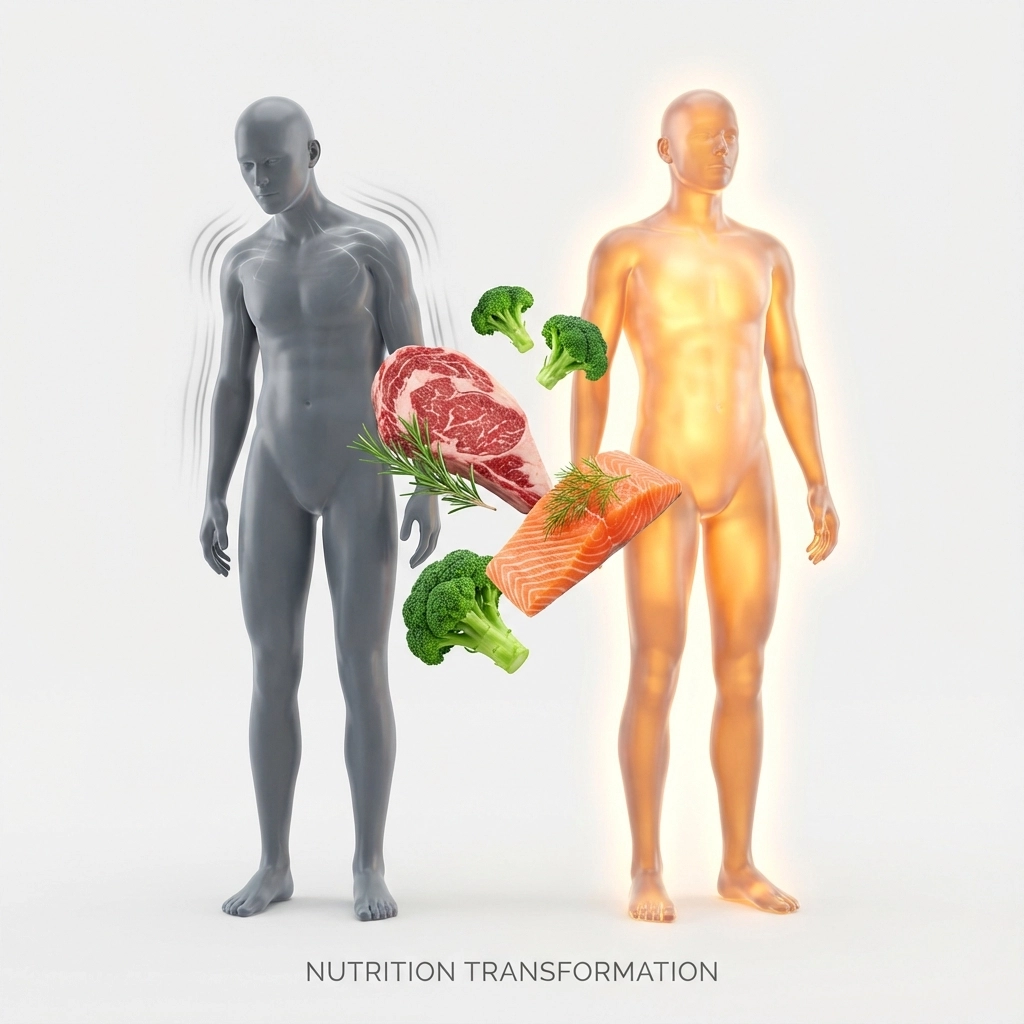
Mistake #4: Ignoring Electrolytes
This mistake hits fastest and hardest. Symptoms appear within days:
• Brain fog and fatigue • Irregular heartbeat • Muscle cramps • Weakness • Headaches
Carnivore naturally reduces sodium retention. You're also cutting processed foods that contain hidden electrolytes. The result is rapid depletion.
Many people mistake these symptoms for "keto flu" and power through. This leads to unnecessary suffering and often quitting the diet.
The solution involves both food and supplements:
Food sources: • Add salt to every meal • Include organ meats weekly • Choose mineral-rich seafood
Supplement support: • Magnesium glycinate (400-600mg daily) • Potassium citrate (99mg with meals) • High-quality sea salt (1-2 teaspoons daily)
Track your intake initially. Most people need more electrolytes than expected.
Mistake #5: Skipping Organ Meats
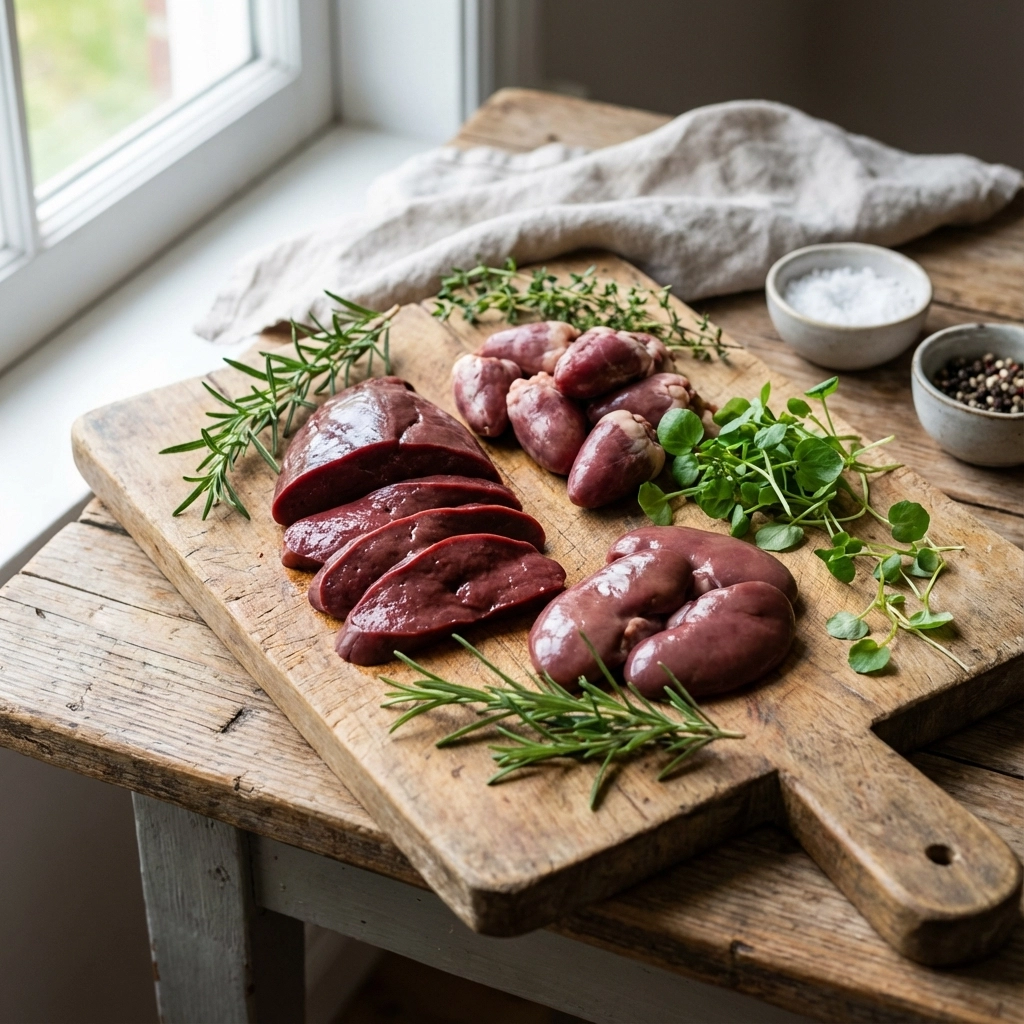
Muscle meat alone creates nutritional gaps. Organ meats fill these holes naturally.
Liver provides vitamin A, folate, and B-vitamins. Heart supplies CoQ10. Kidney offers selenium and B12.
Our ancestors ate "nose-to-tail." Modern eaters focus only on steaks and chicken breasts. This leaves micronutrient needs unmet.
Start small if organ meats seem intimidating:
• Mix ground liver into ground beef (10% ratio) • Try liver pills or desiccated organ supplements • Order pâté from quality sources • Add heart to stews and slow-cooker meals
Aim for 4-6 ounces of organ meat weekly. Your energy and recovery will improve noticeably.

Supplements That Actually Help
Beyond electrolytes, several supplements support carnivore success:
Digestive Enzymes Your system needs time to increase stomach acid and enzyme production. Digestive enzymes with betaine HCl help break down the increased protein load.
Take 1-2 capsules with larger meals for the first month.
Vitamin D3 Unless you're getting significant sun exposure, D3 becomes crucial. Carnivore foods contain minimal vitamin D.
Aim for 2000-4000 IU daily, preferably with K2 for absorption.
Omega-3 Fish Oil Even with fatty fish consumption, modern meat often lacks optimal omega-3 ratios. A quality fish oil helps balance inflammation.
Choose molecularly distilled options. Take 1-2 grams daily with meals.
Probiotics Gut bacteria adapt to dietary changes. A broad-spectrum probiotic supports this transition and may reduce digestive discomfort.
Look for 10+ strain varieties with 50+ billion CFU.
B-Complex While meat provides B-vitamins, stress and adaptation increase requirements. A methylated B-complex supports energy production and nervous system function.
Take with morning meals to avoid evening energy spikes.

Timing and Implementation
Success requires patience. Most people expect instant transformation but carnivore adaptation takes weeks to months.
Week 1-2: Focus on eliminating mistakes. Track electrolyte intake. Expect some discomfort as your body adjusts.
Week 3-4: Energy should stabilize. Cravings diminish. Weight loss may accelerate.
Month 2-3: Full fat adaptation occurs. Mental clarity improves. Athletic performance returns.
Month 6+: Long-term benefits emerge. Inflammation markers improve. Autoimmune symptoms may resolve.
Don't change multiple variables simultaneously. Fix one mistake at a time. This helps identify what actually works for your body.
Quality Matters
Supplement quality varies dramatically. Cheap options often contain fillers, artificial colors, and poor absorption forms.
Look for third-party testing. Choose reputable brands with transparent labeling. Avoid supplements with unnecessary additives.
The same applies to food quality. Grass-fed beef, pastured eggs, and wild-caught fish provide superior nutrition compared to conventional options.
Moving Forward
Carnivore isn't inherently difficult. Most struggles come from preventable mistakes rather than the diet itself.
Start by addressing electrolyte balance. This single change eliminates most early-stage problems.
Then focus on food quality and adequate fat intake. Avoid the temptation to choose lean cuts or rely heavily on dairy.
Commit fully for at least 30 days. Partial implementation delivers partial results.
Consider working with professionals familiar with carnivore approaches. Many healthcare providers now understand these dietary strategies and can provide personalized guidance.
The carnivore diet can transform health when implemented correctly. Avoid these five mistakes, add targeted supplement support, and give your body time to adapt.
Your future self will thank you for getting it right from the start.


Comments