

Natural Ingredients Explained in Under 3 Minutes: What Really Works for Family Health (And What Doesn't)
- nyevigour
- Jan 25
- 4 min read
The word "natural" is everywhere. On cereal boxes. Supplement bottles. Even cleaning products. But here's the thing: natural doesn't automatically mean safe or effective.
Some natural ingredients genuinely help your family's health. Others are pure marketing fluff. This quick guide breaks down what actually works and what to skip.
The Truth About "Natural" Labels
A product labelled "natural" doesn't guarantee your body will benefit from it. Many companies slap this word on packaging because it sells. That's it.
Real benefits come from ingredients backed by science. Not fancy labels. Not Instagram trends.
The good news? Plenty of natural ingredients do work. You just need to know which ones.
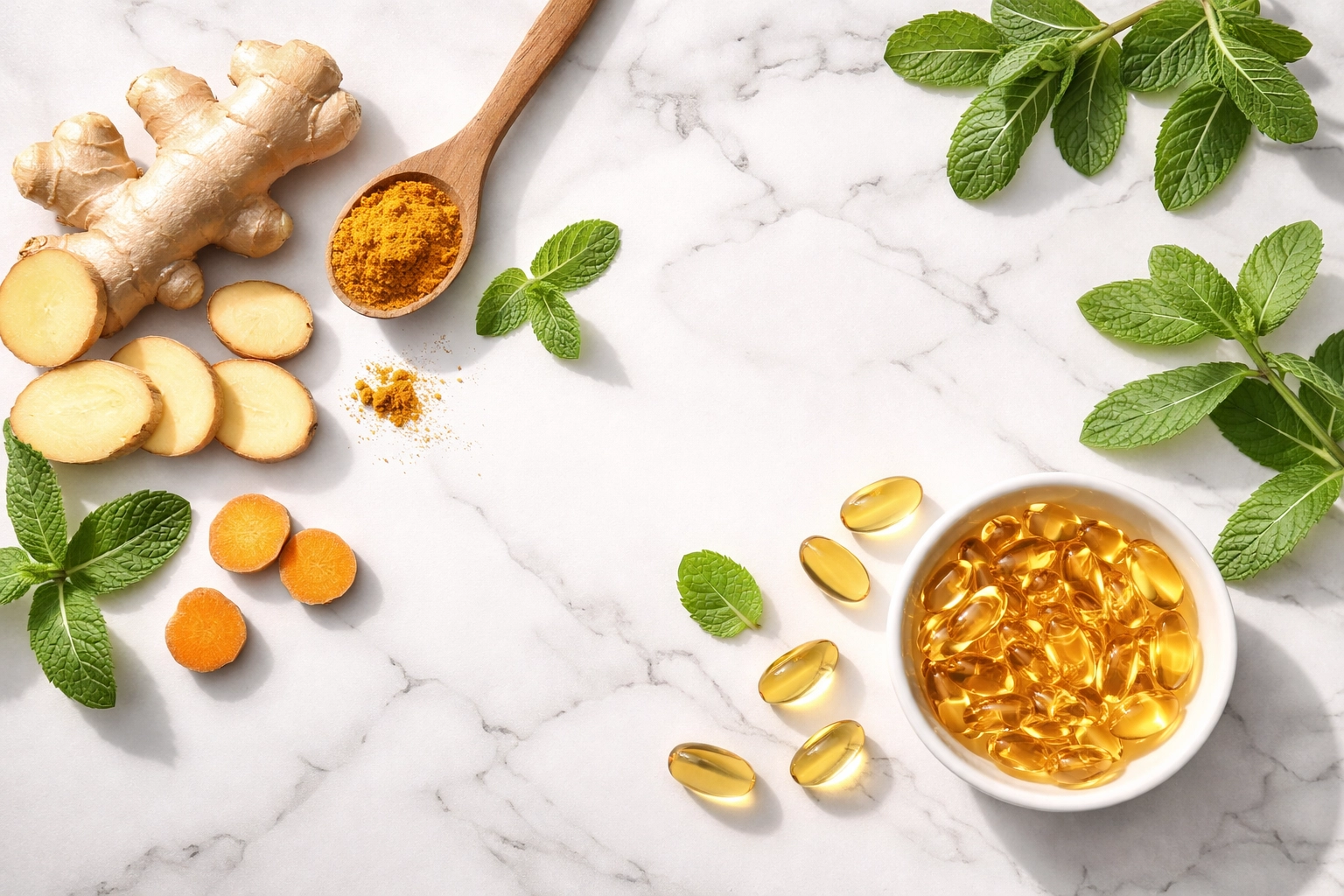
Natural Ingredients That Actually Work
These have solid evidence behind them. Worth considering for your family's health routine.
Ginger
Ginger settles upset stomachs. That's not grandma's wisdom: it's science. Research shows ginger effectively reduces nausea from motion sickness, pregnancy, and general digestive upset.
How to use it:
Fresh ginger tea
Ginger supplements (standardised extracts work best)
Adding fresh ginger to meals
Great for kids who get car sick or adults with sensitive stomachs.
Peppermint Oil
Peppermint oil reduces irritable bowel syndrome symptoms effectively. Studies back this up repeatedly. It relaxes gut muscles and eases digestive discomfort.
Important note: Peppermint oil capsules work for adults. For children, stick to peppermint tea or consult a healthcare provider first.
Turmeric (Curcumin)
Turmeric's active compound curcumin has demonstrated anti-inflammatory properties. It may help with joint discomfort and general inflammation.
The catch: Your body doesn't absorb curcumin well on its own. Look for supplements containing black pepper extract (piperine) to boost absorption by up to 2,000%.
Vitamin D
Most families in the UK don't get enough vitamin D. Especially during winter months. This vitamin supports:
Immune function
Bone health
Mood regulation
Natural sources include sunlight and oily fish. But supplements often make sense from October to March when sunlight is limited.

Omega-3 Fatty Acids
Found in fish oil and algae supplements. Research supports omega-3s for:
Heart health
Brain function
Reducing inflammation
For families avoiding fish, algae-based omega-3 supplements provide the same benefits. Check out our guide on plant-based immunity options for more alternatives.
Phytonutrients From Real Food
Plant chemicals like carotenoids and polyphenols contribute to preventing and managing various health conditions. These come from:
Colourful fruits and vegetables
Berries
Dark leafy greens
Whole grains
No supplement fully replaces eating actual plants. A balanced diet with fruits, vegetables, whole grains, and lean proteins remains one of the most powerful health tools available.
What Doesn't Work (Or Is Overhyped)
Time to bust some myths. These "natural" claims don't hold up under scrutiny.
"Organic Is Nutritionally Superior"
Organic and conventionally grown foods provide the same nutrients and health benefits. The research is clear on this.
Organic does reduce pesticide exposure. That's a valid reason to choose it. But don't expect organic apples to contain more vitamins than regular ones. They don't.
Detox Teas and Cleanses
Your liver and kidneys already detox your body. They're excellent at it. No tea required.
Most detox products cause temporary water weight loss. Nothing more. Some can actually be harmful, especially for children.
Learn more about how your body actually cleanses itself.
Mega-Dose Vitamins
More isn't better. Taking 10 times the recommended vitamin C won't make you 10 times healthier. Your body simply excretes what it can't use.
Worse, some vitamins become toxic at high doses. Vitamin A and iron are two examples. Stick to recommended amounts unless a healthcare provider says otherwise.

Unregulated Herbal Blends
Some herbal supplements contain dozens of ingredients in tiny amounts. These "proprietary blends" often include too little of each ingredient to actually work.
Check the label. If you can't see how much of each ingredient is included, be sceptical. We've covered packaging red flags to watch for in detail.
Collagen Drinks
Collagen supplements have become trendy. The evidence? Mixed at best. Your digestive system breaks collagen down into amino acids before absorption. It doesn't magically rebuild your skin or joints.
Eating adequate protein provides the same amino acids. Much cheaper too.
Safety Rules for Your Family
Natural doesn't mean risk-free. Follow these guidelines.
Check for Quality
Choose supplements from high-quality sources free from heavy metals and pesticides. Look for third-party testing certifications on packaging.
Cheap supplements often contain fillers, contaminants, or less active ingredient than claimed.
Watch for Interactions
Natural ingredients can interact with medications. St. John's Wort interferes with birth control pills. Ginkgo biloba affects blood thinners. The list goes on.
Always consult healthcare providers about potential interactions before adding supplements to your family's routine.
Start Low, Go Slow
When trying new natural ingredients:
Start with the lowest recommended dose
Introduce one new supplement at a time
Wait two weeks before adding another
Note any changes or reactions
This approach helps identify what works and what causes problems.
Children Need Different Doses
Adult supplement doses don't work for children. Ever. Many natural ingredients haven't been studied in children at all.
Stick to products specifically formulated for children's ages and weights. When in doubt, ask a pharmacist or doctor.
The Bottom Line
Natural ingredients can genuinely support family health. But only when you choose the right ones.
What works:
Ginger for digestion
Peppermint oil for IBS
Turmeric with piperine for inflammation
Vitamin D (especially in winter)
Omega-3s for heart and brain
Eating actual fruits and vegetables
What to skip:
Assuming "natural" means safe or effective
Expecting organic food to be more nutritious
Detox teas and cleanses
Mega-dose vitamins
Mystery herbal blends
Trendy collagen drinks
The most effective natural health strategy? A balanced diet. Regular movement. Adequate sleep. Supplements fill gaps: they don't replace basics.
For more guidance on choosing supplements that actually work, explore our blog or get in touch with questions.


Comments