

Autophagy: What Is It and Why Is Everyone Talking About It?
- nyevigour
- Oct 19, 2025
- 5 min read
If you've been paying attention to health and wellness trends lately, you've probably heard the word "autophagy" thrown around. It sounds complicated, but it's actually something your body does naturally every day. Think of it as your cells' built-in cleaning service.
Autophagy literally means "self-eating" in Greek. Before you get worried, this isn't as scary as it sounds. Your cells are essentially tidying up by breaking down damaged or worn-out parts and recycling them into something useful. It's like having a team of tiny janitors working 24/7 to keep your cellular house in order.
What Actually Happens During Autophagy?
The process is pretty clever when you break it down. Your cells identify components that are damaged, old, or no longer needed. These might be worn-out proteins, damaged mitochondria (your cells' power plants), or other cellular debris that's just taking up space.
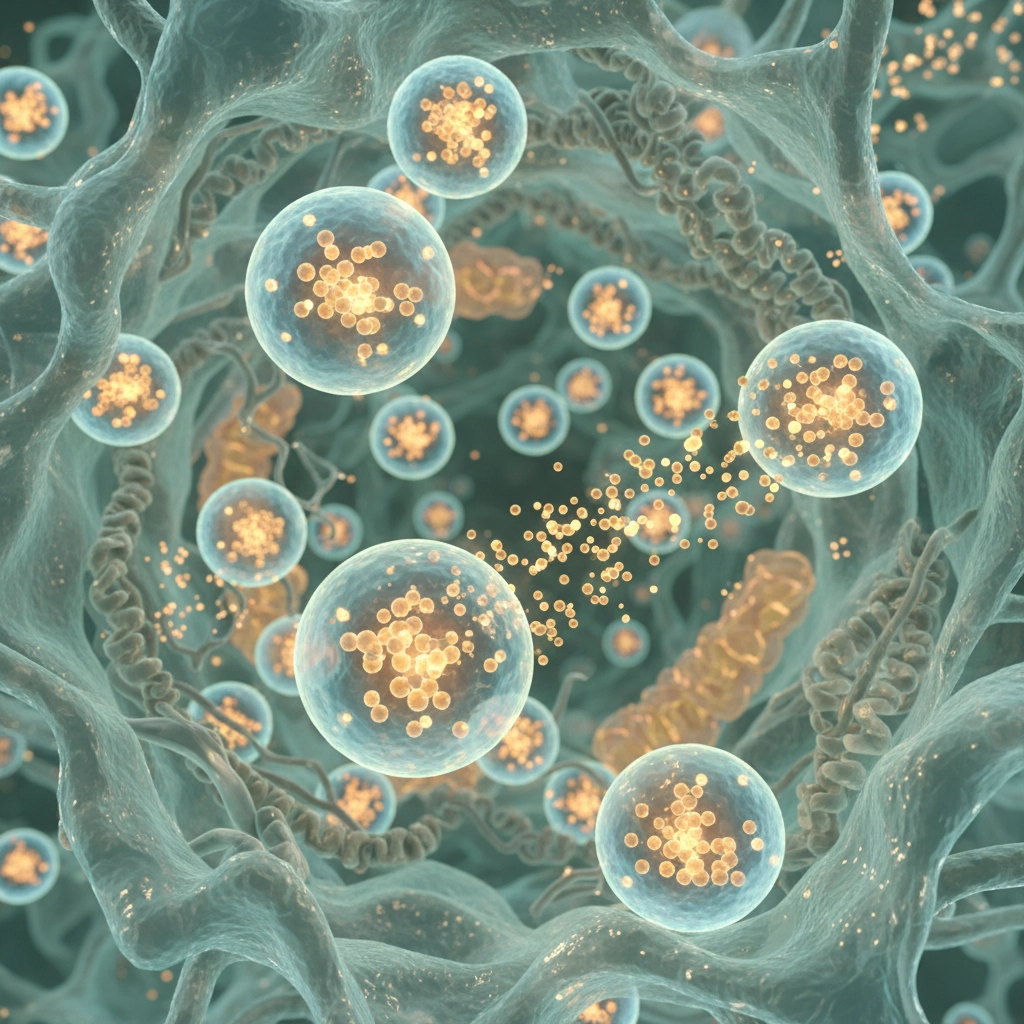
Once identified, these components get wrapped up in a special membrane called an autophagosome. Think of it like putting trash in a garbage bag. This "bag" then merges with another cellular structure called a lysosome, which acts like a recycling center. The lysosome breaks everything down into basic building blocks that your cells can reuse to create new, healthy components.
This isn't just spring cleaning – it's essential maintenance. Without autophagy, damaged cellular components would accumulate, potentially leading to cell dysfunction and disease.
Why the Sudden Buzz?
Autophagy isn't new – scientists have known about it for decades. But several factors have pushed it into the spotlight recently:
The Nobel Prize Effect: In 2016, Japanese researcher Yoshinori Ohsumi won the Nobel Prize in Physiology or Medicine for his work on autophagy. This recognition brought the process into mainstream health conversations.
Anti-Aging Appeal: Research suggests autophagy plays a crucial role in healthy aging. As we get older, autophagy naturally declines, which might contribute to age-related health issues. The possibility of boosting this process has captured attention in longevity circles.
The Fasting Connection: Perhaps most importantly, scientists discovered that fasting can trigger enhanced autophagy. This connection has made autophagy a hot topic in intermittent fasting and wellness communities.
The Health Benefits Everyone's Talking About
The research on autophagy's health benefits is genuinely impressive. Here's what studies suggest this cellular cleanup process might do for you:
Cellular Renewal: By clearing out damaged components and recycling them, autophagy helps keep your cells functioning optimally. It's like giving your cellular machinery a regular tune-up.
Inflammation Reduction: Damaged cellular components can trigger inflammation. By removing these troublemakers, autophagy may help keep inflammation in check.
Metabolic Support: The process helps optimize how your cells convert nutrients into energy, potentially supporting better metabolic health overall.

Brain Health: Your brain cells particularly benefit from autophagy. The process helps clear out protein aggregates that have been linked to neurodegenerative diseases.
Immune System Support: Autophagy helps cells destroy harmful bacteria and viruses, contributing to your body's defense system.
Skin Health: By promoting cellular renewal and collagen production, enhanced autophagy might contribute to healthier, more youthful-looking skin.
Simple Ways to Support Your Body's Autophagy
The good news is you don't need expensive treatments or complicated protocols to support autophagy. Here are straightforward approaches:
Intermittent Fasting
Fasting is probably the most studied way to boost autophagy. When you fast, your body shifts from using readily available glucose to breaking down stored components for energy, triggering the autophagy process.
You don't need to fast for days. Even a 16-hour fast (like eating between noon and 8 PM) can stimulate autophagy. Start gradually and listen to your body.
Regular Exercise
Physical activity, especially more intense exercise, can trigger autophagy. Both cardio and strength training have been shown to activate the process. The stress of exercise signals your cells to clean house and rebuild stronger.

Quality Sleep
Your body does a lot of its cellular maintenance work while you sleep. Aim for 7-9 hours of quality sleep to give your autophagy processes time to work effectively.
Certain Foods and Compounds
Some foods and supplements may support autophagy:
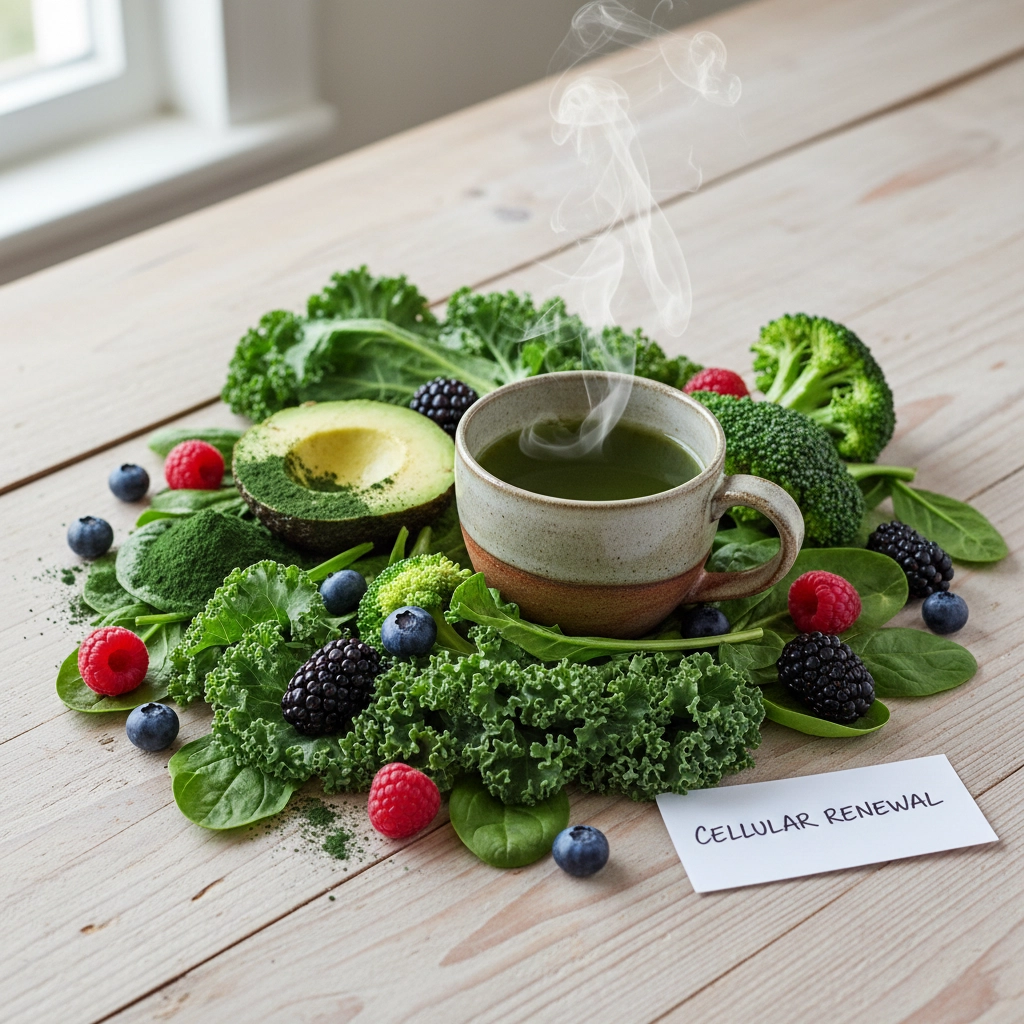
• Green tea: Contains compounds that may enhance autophagy • Turmeric: Curcumin has been studied for its autophagy-promoting properties • Coffee: May stimulate autophagy, particularly when consumed during fasting periods • Berries: Rich in compounds that support cellular health • Cruciferous vegetables: Broccoli, cauliflower, and Brussels sprouts contain compounds that may boost autophagy
Manage Stress
Chronic stress can impair autophagy. Regular stress management through meditation, deep breathing, or other relaxation techniques can help maintain optimal cellular cleanup.
What This Means for Your Daily Health
Understanding autophagy doesn't require you to become a cellular biology expert. The key takeaway is that your body has sophisticated systems for maintaining cellular health, and there are simple ways to support these processes.
The beauty of autophagy is that it's happening naturally all the time. You're not trying to force something unnatural – you're simply creating conditions that allow your body's existing systems to work more effectively.
Rather than viewing autophagy as another health trend to follow, think of it as understanding how your body naturally maintains itself. The lifestyle factors that support autophagy – good sleep, regular exercise, periods without eating, stress management – are fundamentally healthy practices regardless.
A Balanced Perspective
While autophagy research is exciting, it's important to maintain realistic expectations. The field is still evolving, and much of what we know comes from animal studies or laboratory research. Human studies are ongoing, and scientists are still working to understand all the implications.
What we do know is that the basic principles supporting autophagy – fasting periods, regular exercise, quality sleep, and stress management – are beneficial for overall health regardless of their specific effects on cellular cleanup processes.

Making It Practical
If you're interested in supporting your body's autophagy processes, start simple:
• Try extending the time between your last meal of the day and your first meal the next morning • Include regular physical activity in your routine • Prioritize consistent, quality sleep • Consider incorporating autophagy-supporting foods into your diet • Find effective ways to manage daily stress
Remember, the goal isn't perfection – it's supporting your body's natural processes in sustainable ways that fit your lifestyle.
Autophagy represents one of many fascinating discoveries about how our bodies maintain health at the cellular level. While the science continues to evolve, the basic message is encouraging: your body has remarkable systems for self-maintenance, and there are simple, natural ways to support these processes.
Whether autophagy becomes a permanent fixture in health conversations or evolves into something else, the underlying principles of supporting cellular health through lifestyle choices remain solid foundations for overall wellness.

Comments