

Mental Wellbeing Supplements Explained in Under 3 Minutes: What Really Works for Stress and Mood
- nyevigour
- Oct 22, 2025
- 4 min read
Mental health affects everyone. Stress levels hit record highs. Mood disorders increase yearly. Traditional treatments help many people, but supplements offer additional support for daily wellbeing.
The supplement industry promises quick fixes. Reality differs. Most lack rigorous testing. However, specific nutrients show real promise when backed by solid research.
The Science-Backed Champions
Omega-3 Fatty Acids: Brain Food That Works
Omega-3s top the evidence list. These essential fats build healthy brain cell membranes. They reduce inflammation in neural pathways. Multiple studies confirm benefits for mood regulation.
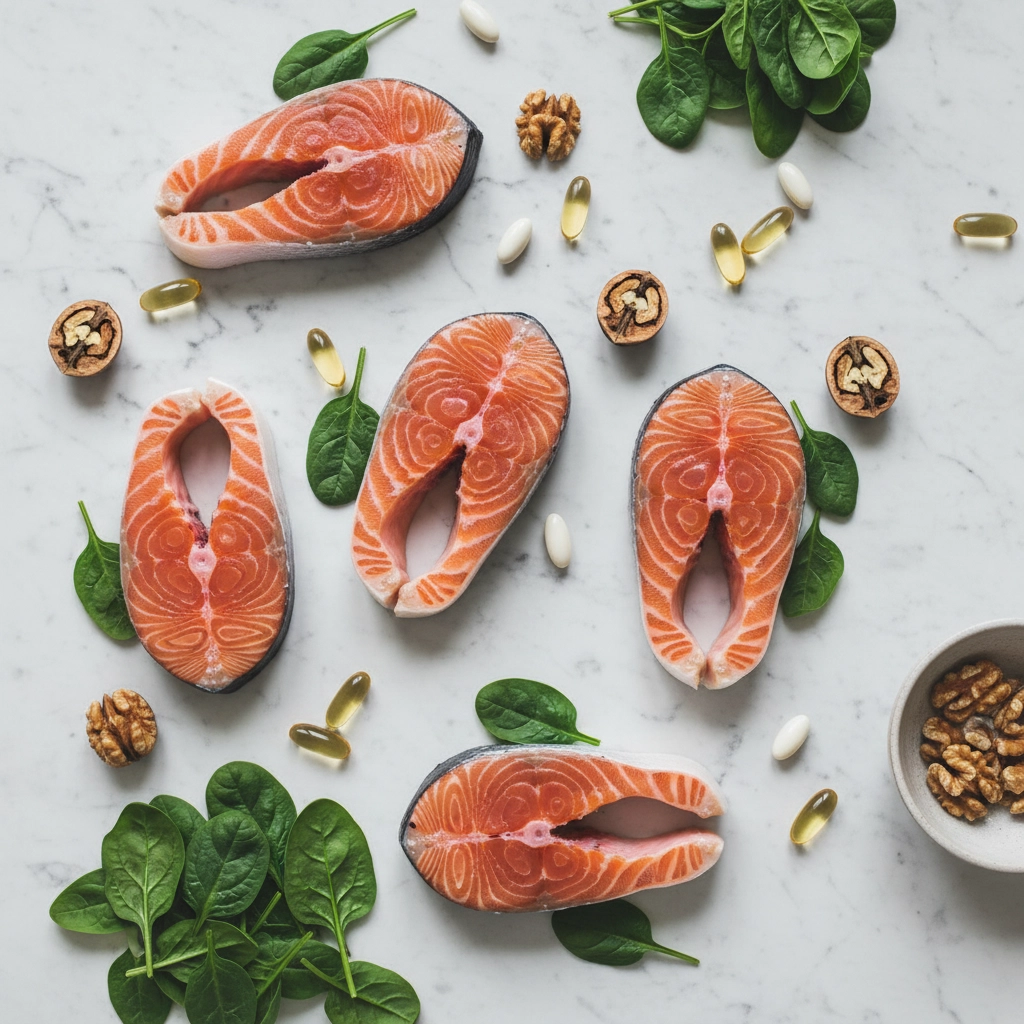
Research highlights: • Support brain cell communication • Reduce neuroinflammation linked to depression • Help regulate mood-related neurotransmitters • Show particular promise for anxiety reduction
Fish oil provides the most bioavailable form. Two types matter most: EPA and DHA. EPA targets mood directly. DHA supports overall brain structure.
Magnesium: The Calming Mineral
Magnesium deficiency affects millions. Symptoms include irritability, anxiety, and mood swings. This mineral regulates stress hormones naturally.
How magnesium helps: • Controls cortisol release during stress • Enhances GABA production for calm feelings • Supports healthy sleep patterns • Reduces muscle tension linked to anxiety
Most people consume insufficient amounts through food alone. Supplementation often provides noticeable relief within weeks.
L-Theanine: Calm Focus Without Drowsiness
Green tea contains this unique amino acid. L-theanine promotes relaxation while maintaining alertness. No sedating effects occur.

Benefits include: • Increases alpha brain waves for calm focus • Boosts serotonin and dopamine naturally • Reduces stress response without fatigue • Improves sleep quality when taken evening
Studies show effects within 30-40 minutes of consumption. Regular use enhances long-term stress resilience.
B Vitamins: Energy and Mood Support
B-complex vitamins fuel brain function. Deficiencies directly impact mood regulation. These vitamins support neurotransmitter production.
Key players: • B6: Helps create serotonin and dopamine • B12: Supports nerve function and energy • Folate: Essential for brain development and mood • Thiamine: Protects against stress-related damage
Whole food sources work best. Eggs, leafy greens, and lean proteins provide natural forms.
Vitamin D: The Sunshine Vitamin
Low vitamin D levels correlate with depression risk. This vitamin functions more like a hormone in the body. Deficiency affects millions, especially in northern climates.

Research connections: • Seasonal depression links to low vitamin D • Receptors exist throughout brain tissue • Supports neurotransmitter synthesis • May improve treatment response when combined with therapy
Blood testing determines individual needs. Supplementation should match deficiency levels.
The Emerging Players
Probiotics: Gut-Brain Connection
The gut produces 90% of serotonin. Beneficial bacteria influence mood through this connection. Recent studies show promise for probiotic supplements.
Early research suggests: • Certain strains reduce anxiety symptoms • May improve stress resilience over time • Support overall digestive health • Enhance nutrient absorption for brain function
More research continues. Results vary significantly between individuals.
Ashwagandha: Ancient Herb, Modern Research
This adaptogenic herb helps the body manage stress. Traditional use spans thousands of years. Modern studies confirm stress-reducing properties.
Potential benefits: • Lowers cortisol levels naturally • Supports healthy sleep patterns • May reduce anxiety symptoms • Enhances exercise recovery
Quality varies dramatically between products. Standardized extracts show most consistent results.
What Doesn't Work (Or Lacks Evidence)
Many popular supplements lack solid research backing. Marketing claims often exceed scientific proof.
Skip these without strong evidence: • Most single amino acids (except L-theanine) • Herbal blends with proprietary formulas • Megadose vitamin combinations • Products promising overnight results
Red Flags to Avoid
Supplement quality varies enormously. Poor products waste money and potentially harm health.
Warning signs: • Unrealistic promises or guarantees • No third-party testing mentioned • Extremely low prices compared to competitors • Claims to cure serious mental health conditions

Getting Started: Practical Steps
Step 1: Assess Your Current State
Track mood and stress levels for one week. Note patterns, triggers, and daily variations. This baseline helps measure improvement.
Step 2: Start with Basics
Begin with foundational nutrients: • Omega-3s (1-2g daily EPA/DHA combined) • Magnesium (200-400mg daily) • Vitamin D (based on blood test results)
Step 3: Add Targeted Support
After 4-6 weeks, consider additional options: • L-theanine for acute stress (100-200mg as needed) • B-complex for energy support • Probiotics for gut health
Step 4: Monitor and Adjust
Keep tracking mood and stress responses. Effective supplements typically show benefits within 2-8 weeks. Adjust dosages or switch products if no improvement occurs.
Timing and Dosage Guidelines
Morning supplements: • B vitamins for energy support • Omega-3s with breakfast for absorption
Evening supplements: • Magnesium 1-2 hours before bed • L-theanine 30 minutes before sleep
With meals: • Vitamin D with healthy fats • Probiotics with food for survival
Start with lower doses. Increase gradually based on response and tolerance.
Important Safety Considerations
Supplements interact with medications. Always consult healthcare providers before starting new regimens.

Special cautions: • Blood thinners and omega-3s • Antidepressants and certain herbs • Diabetes medications and chromium • Blood pressure medications and magnesium
Pregnancy, nursing, and chronic conditions require professional guidance.
Beyond Supplements: The Complete Picture
Supplements support overall wellness strategies. They cannot replace fundamental health practices.
Essential foundations: • Regular sleep schedule (7-9 hours nightly) • Consistent exercise routine • Balanced nutrition with whole foods • Stress management techniques • Social connections and support systems
Professional mental health care remains crucial for serious conditions. Supplements complement, never replace, appropriate medical treatment.
The Bottom Line
Mental wellbeing supplements work best as part of comprehensive self-care. Evidence supports omega-3s, magnesium, and L-theanine most strongly. Quality matters enormously.
Start slowly. Track results. Consult professionals when needed. Small, consistent steps create lasting improvements in mental wellness.
Remember: supplements enhance wellness journeys rather than providing quick fixes. Patience and consistency yield the best long-term results for stress management and mood support.


Comments