
Stop Wasting Money on Supplements: 5 Packaging and Quality Red Flags That Cost You More
- nyevigour
- Oct 12, 2025
- 4 min read
The supplement industry is worth over £150 billion globally, yet up to 25% of supplements contain mislabeled or contaminated ingredients. Many consumers waste hundreds of pounds annually on products packed with ineffective fillers, hidden dosages, and misleading claims.
Learning to spot these red flags protects both your health and wallet.
Red Flag #1: Proprietary Blends That Hide Real Dosages
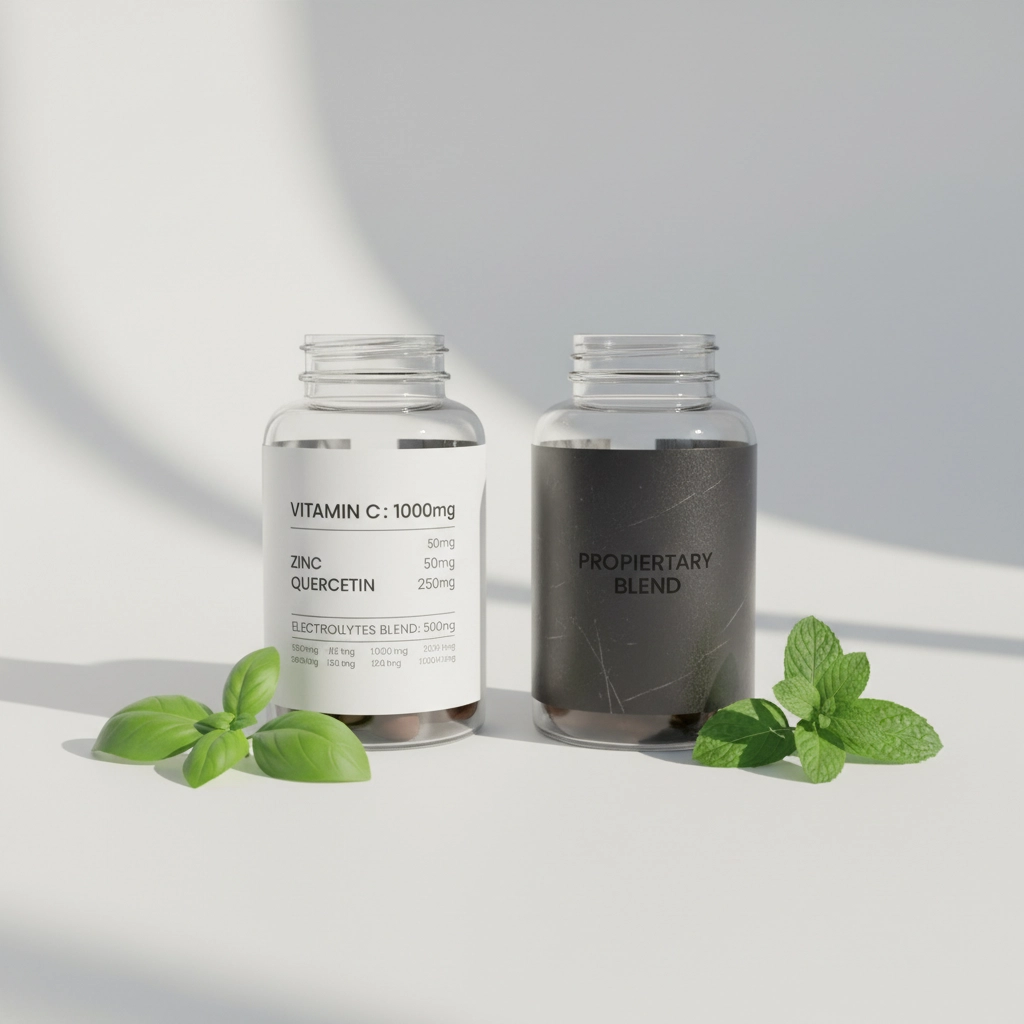
When you see "proprietary blend" or "energy matrix" with only a total weight listed, walk away. These blends deliberately hide how much of each ingredient you're actually getting.
Why this costs you money:
You might get 1mg of an expensive ingredient that needs 500mg to be effective
The blend could be 90% cheap filler with tiny amounts of active ingredients
No way to verify you're getting therapeutic doses
What to look for instead:
Individual ingredient amounts clearly listed
Transparent labeling with specific dosages
Brands that explain their dosing rationale
A quality supplement lists exactly how much magnesium, vitamin D, or omega-3 you're getting per serving. Without this information, you're buying blind.
Red Flag #2: Harmful Fillers and Bulking Agents
Many supplements contain inactive ingredients that serve no purpose except making pills bigger or cheaper to produce.
Common fillers to avoid:
Brown rice flour - Pure filler with no nutritional value, may contain arsenic traces
Magnesium stearate - Can reduce nutrient absorption and cause digestive issues
Silicon dioxide - May contain microplastics and nanoparticles
Guar gum - Causes bloating and slows digestion
The hidden cost: You're paying supplement prices for ingredients you could buy at a grocery store for pennies. These fillers take up space that could contain beneficial nutrients.
Better alternatives: Look for supplements using natural binding agents like organic brown rice or vegetable cellulose. Quality brands minimize fillers and maximize active ingredients.
Red Flag #3: Artificial Colors and Dangerous Additives
Bright colors and sweet flavors might make supplements more appealing, but they often signal poor quality priorities.
Additives that waste your money:
Why this matters: If a manufacturer prioritizes appearance over effectiveness, they're not focused on delivering real health benefits. You're paying for cosmetic appeal rather than nutritional value.
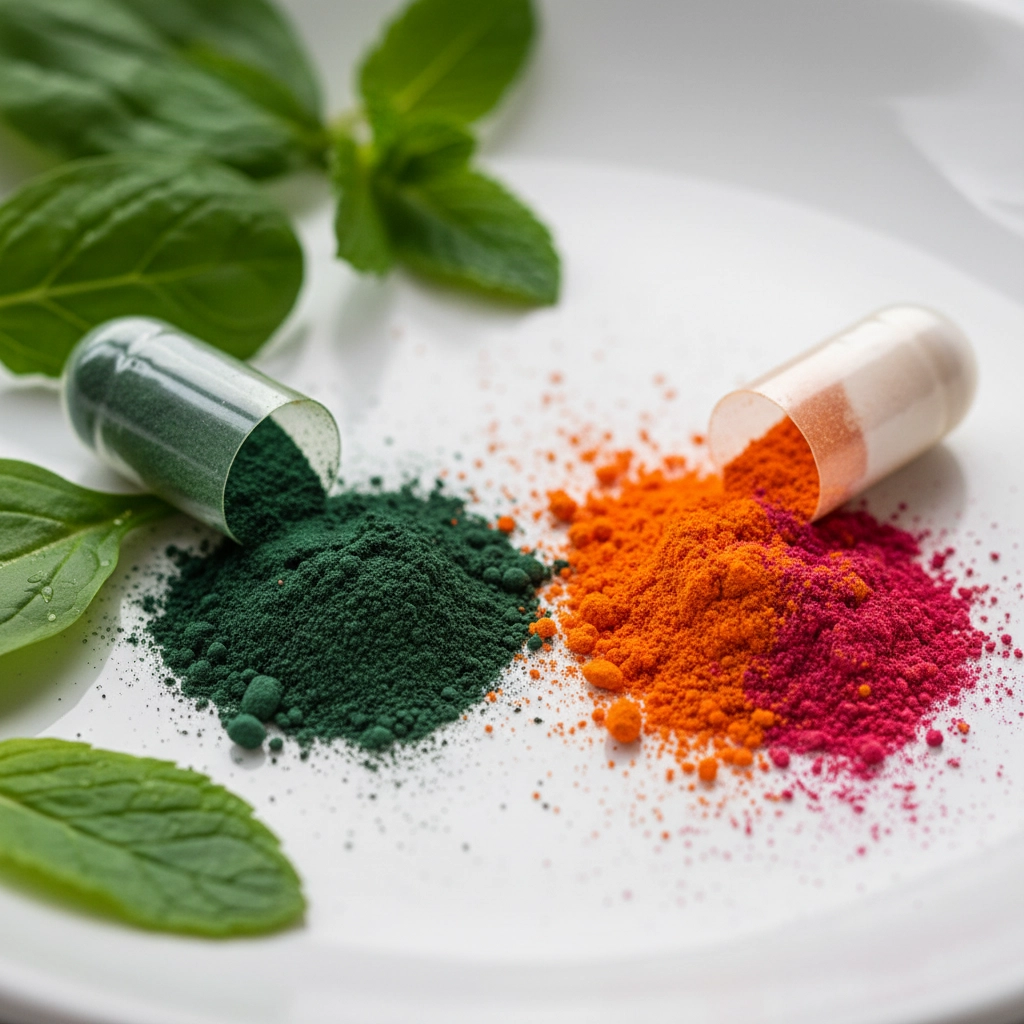
What quality looks like: Natural colors from real ingredients like beetroot or turmeric. Minimal sweetening from natural sources. Plain capsules without unnecessary dyes.
Red Flag #4: Missing Third-Party Testing and Certification
Over 20% of supplements fail basic purity and labeling tests. Without independent verification, you have no guarantee the bottle contains what the label claims.
Essential certifications to look for:
NSF International - Rigorous testing for purity and potency
USP Verified - United States Pharmacopeia standards
Informed-Choice - Tests for banned substances
GMP Certified - Good Manufacturing Practice compliance
What missing certification costs you:
Supplements with incorrect dosages
Products contaminated with heavy metals or bacteria
Money spent on ineffective or potentially harmful products
Red flags in testing claims:
Vague statements like "laboratory tested" without specifics
No mention of independent third-party verification
Missing batch numbers or expiration dates
Quality supplements clearly display certification logos and provide batch-specific test results on request.
Red Flag #5: Misleading Pricing and Marketing Over Substance
High prices don't guarantee high quality. Many expensive supplements contain cheap ingredients wrapped in premium marketing.
Price manipulation tactics:
Celebrity endorsements with no scientific backing
"Breakthrough formula" claims without research
Luxury packaging that costs more than ingredients
Monthly subscription models that inflate long-term costs
How to evaluate real value:
Compare cost per serving of active ingredients
Research the bioavailability of ingredient forms used
Check if you're paying for brand recognition vs. quality
Example: Magnesium citrate costs more than magnesium oxide but offers better absorption. Some brands charge premium prices for the cheaper, less effective form while advertising "high-potency magnesium."
Smart Shopping Strategies
Before buying any supplement:
Research the specific form of each ingredient
Calculate cost per effective dose
Check for third-party testing certificates
Read ingredient lists completely, not just marketing claims
Questions to ask:
Can I find the exact dosages I need?
Are the ingredients in their most bioavailable forms?
Does the manufacturer provide transparency about sourcing?
Am I paying for marketing or actual nutritional value?
The Bottom Line
Quality supplements exist, but they require informed shopping. Avoid proprietary blends, unnecessary fillers, artificial additives, untested products, and inflated pricing.
Signs of a quality supplement:
Clear, specific dosage information
Minimal, necessary inactive ingredients
Third-party testing certificates
Transparent manufacturing processes
Fair pricing based on ingredient quality
Your health deserves better than clever marketing and hidden ingredients. By recognizing these five red flags, you can invest in supplements that actually support your wellness goals rather than just supplement company profits.
Remember: the most expensive supplement isn't necessarily the best one. Focus on transparency, quality ingredients, and proven effectiveness. Your body and bank account will thank you.
For more guidance on making smart supplement choices, explore our other health and wellness resources at Nye vigour.
Comments