
Plant-Based Immunity vs Traditional Vitamin C: Which Really Works Better This Winter?
- nyevigour
- Nov 4, 2025
- 4 min read
Winter's here, and everyone's talking about boosting immunity. Walk into any health store and you'll see shelves packed with vitamin C tablets promising to keep the sniffles away. But what about those plant-based immunity blends with elderberry, echinacea, and fancy mushrooms? Which actually works better when the cold weather hits?
Let's break down both approaches so you can make a smart choice for your winter wellness routine.
What Plant-Based Immunity Actually Does
Plant-based immunity supplements typically combine multiple natural ingredients that work together. Think elderberry, echinacea, functional mushrooms like reishi and shiitake, plus herbs like turmeric and ginger.

The key here is synergy. These ingredients don't just provide one nutrient – they deliver a whole package of compounds that support your immune system in different ways.
Here's what makes plant-based immunity effective:
Multiple pathways: Instead of just one mechanism, you get antioxidants, anti-inflammatory compounds, and immune-supporting minerals all working together
Gut health support: Many plant ingredients contain fiber and prebiotics that feed the good bacteria in your gut, where about 70-80% of your immune cells live
Natural balance: Whole plant extracts come with built-in safeguards that prevent overdosing on single nutrients
Inflammation control: Ingredients like turmeric and ginger actively reduce the chronic inflammation that can weaken your immune response
The downsides?
Can be more expensive than basic vitamin C
Takes longer to see effects since you're building foundational health
Quality varies significantly between brands
May cause mild digestive upset when starting
How Traditional Vitamin C Works
Vitamin C is probably the most famous immune nutrient. It's an antioxidant that helps your white blood cells function properly and supports the barriers that keep germs out of your body.
The benefits of vitamin C supplements:
Proven immune support: Genuinely helps your immune cells work better
Iron absorption: Helps your body absorb iron from plant foods, which is crucial for immune function
Standardized dosing: You know exactly how much you're getting
Affordable: Usually the cheapest immune supplement option
Convenient: One pill, done
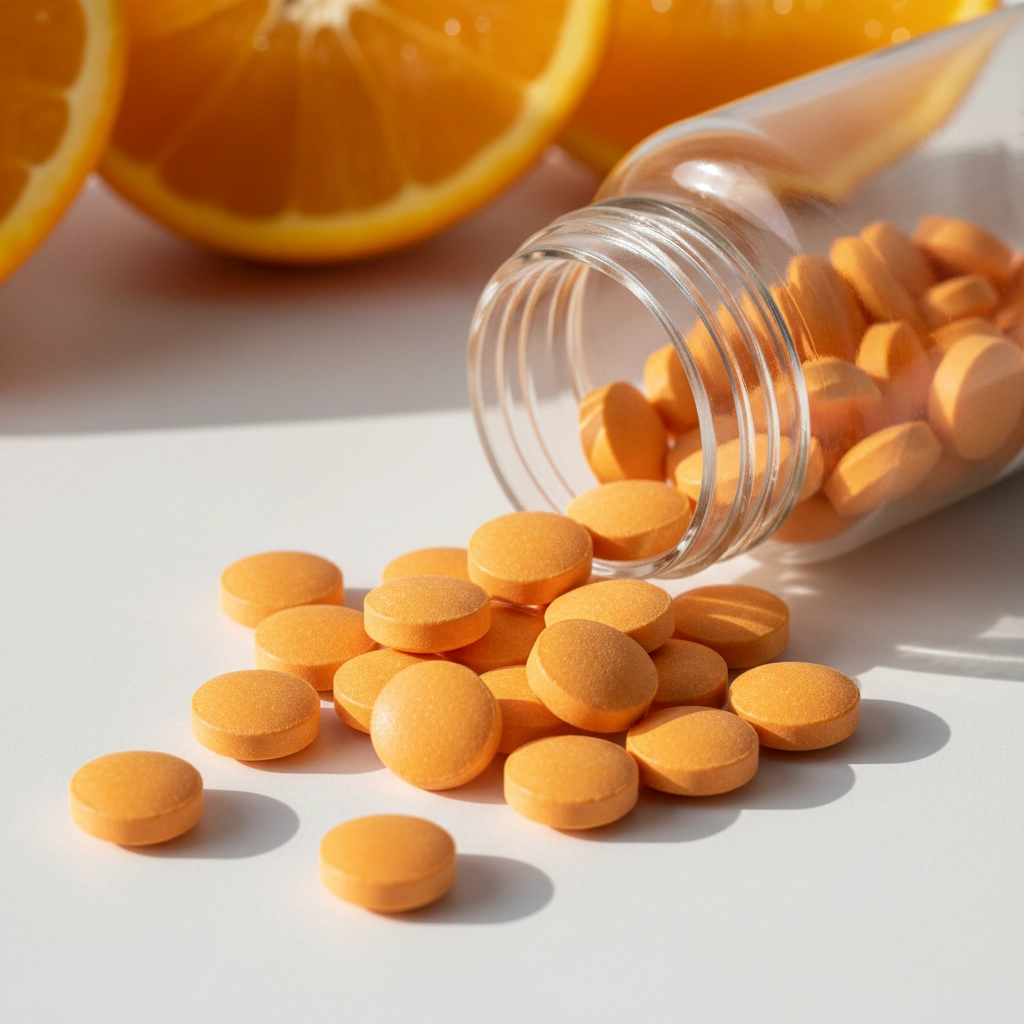
But here's where it gets interesting – and disappointing:
Research shows that vitamin C supplementation, even at high doses, isn't particularly effective at preventing colds and flu. It might reduce the duration slightly, but it won't stop you from getting sick in the first place.
Other limitations include:
Absorption ceiling: Your body can only absorb about 100mg efficiently. Higher doses just get flushed out
Side effects: Large doses can cause diarrhea and may contribute to kidney stones
Drug interactions: Can interfere with certain medications
One-dimensional: Only addresses one aspect of immune health
The Winter Factor
Winter presents specific challenges that go beyond just vitamin C deficiency:
Less sunlight means lower vitamin D levels
Dry indoor air damages your respiratory barriers
Stress from holidays and weather changes
Less fresh produce in many diets
More time indoors with other people and their germs
Plant-based immunity approaches tend to address these broader challenges better than vitamin C alone.

Side-by-Side Comparison
Factor | Plant-Based Immunity | Traditional Vitamin C |
Prevention effectiveness | Moderate to good (multiple mechanisms) | Limited (research shows minimal cold/flu prevention) |
Cost | Higher upfront cost | Very affordable |
Safety | Generally very safe | Safe at normal doses, risky at high doses |
Convenience | Usually 2-3 capsules daily | One tablet daily |
Additional benefits | Gut health, inflammation, antioxidants | Iron absorption, basic antioxidant support |
Time to work | 2-4 weeks for full effects | Immediate but limited impact |
Winter-specific support | Good (addresses multiple winter challenges) | Limited (only one pathway) |
What Actually Works Best This Winter?
Based on current research and real-world results, plant-based immunity has the edge for winter wellness. Here's why:
Plant-based immunity addresses the root causes of winter susceptibility – inflammation, gut health, and multiple nutrient gaps – rather than just supplementing one vitamin.
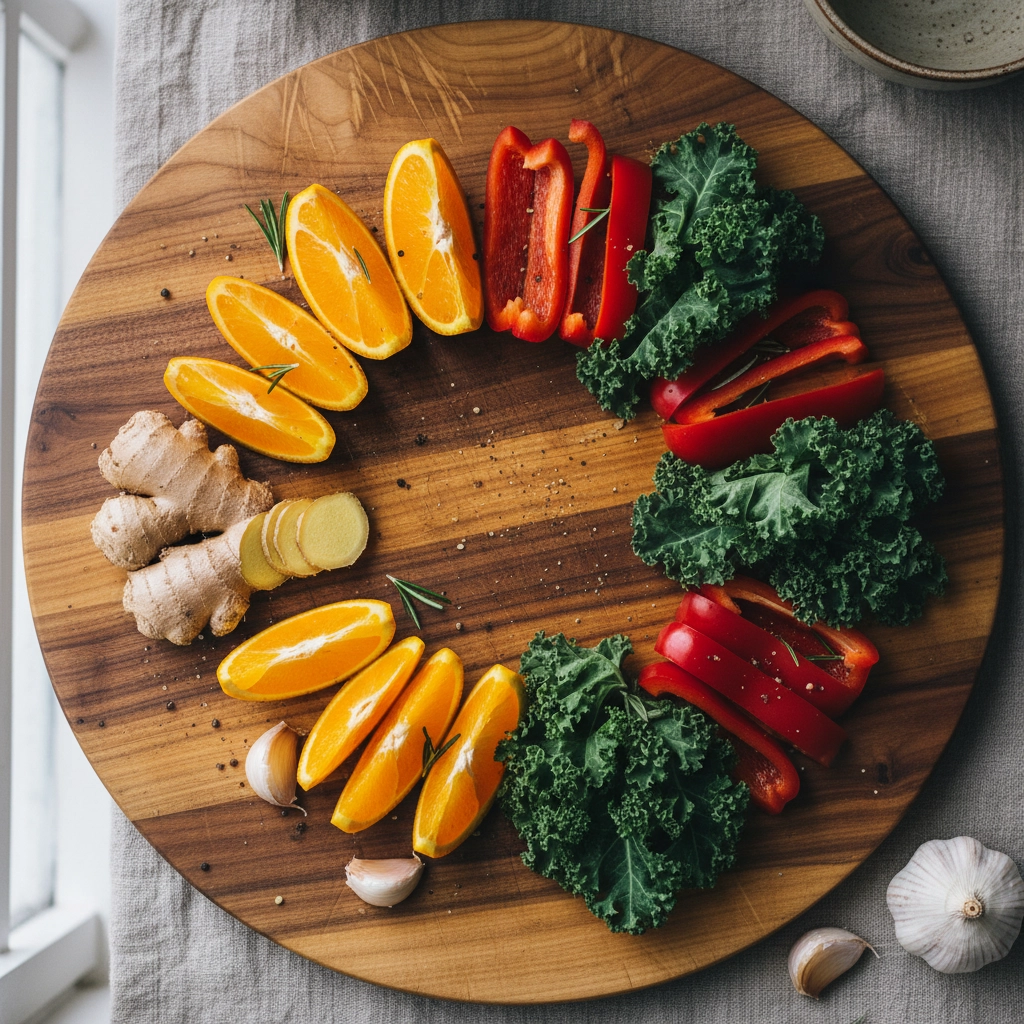
The research on vitamin C prevention is pretty clear: even high doses don't prevent colds and flu effectively. You're better off getting vitamin C from food sources like oranges, bell peppers, and broccoli.
Your gut needs extra support in winter due to less diverse fresh foods and more stress. Plant-based formulas often include prebiotics and compounds that support digestive health.
Smart Winter Immunity Strategy
Don't overthink this. Here's what actually works:
Start with food first:
Eat citrus fruits, berries, leafy greens, and colorful vegetables daily
Include fermented foods like yogurt, kefir, or sauerkraut
Don't skip warming spices like ginger, turmeric, and garlic
If you supplement, consider plant-based immunity if:
You want comprehensive winter support
You can afford the higher cost
You prefer natural ingredient blends
You have ongoing stress or digestive issues
Stick with basic vitamin C if:
Budget is tight
You already eat lots of fruits and vegetables
You prefer simple, single-ingredient supplements
You mainly want to support iron absorption
Either way, don't forget the basics:
Get adequate sleep (7-9 hours nightly)
Manage stress levels
Stay hydrated
Keep moving, even indoors
The Bottom Line
Plant-based immunity supplements offer better winter protection than vitamin C alone, but they're not magic bullets. The most effective approach combines good nutrition, adequate sleep, stress management, and targeted supplementation based on your individual needs and budget.
If you're going to spend money on winter immunity support, plant-based options give you more bang for your buck. But remember – no supplement replaces the fundamentals of healthy living.

The best immune system is one that's supported year-round through consistent healthy habits, not just panic-supplemented when the sniffles start going around the office.
Stay healthy out there, and don't let winter wellness marketing convince you that more expensive always means more effective. Sometimes the simplest approaches – like actually eating your vegetables and getting enough sleep – work better than any pill.
Comments