
Sitz Baths vs Ice Baths vs Regular Baths: Which Is Better for Your Post-Workout Recovery?
- nyevigour
- Jan 6
- 4 min read
After a tough workout, your body needs proper recovery. The right type of bath can make a real difference in how quickly you bounce back. But with so many options, which one actually works best?
Let's break down three popular recovery methods: sitz baths, ice baths, and regular warm baths. Each has its place in recovery, but they work in completely different ways.
What Are These Different Bath Types?
Sitz Baths are shallow, warm water baths where you sit with water covering just your hips and buttocks. The water temperature typically ranges from 37-40°C (98-104°F). Originally designed for medical recovery, they're gaining attention in the fitness world.
Ice Baths involve immersing yourself in cold water, usually between 10-15°C (50-59°F). Popular with athletes, they're designed to reduce inflammation and speed up recovery.
Regular Baths are your standard warm water baths at comfortable temperatures around 37-39°C (98-102°F). Simple, accessible, and familiar to everyone.
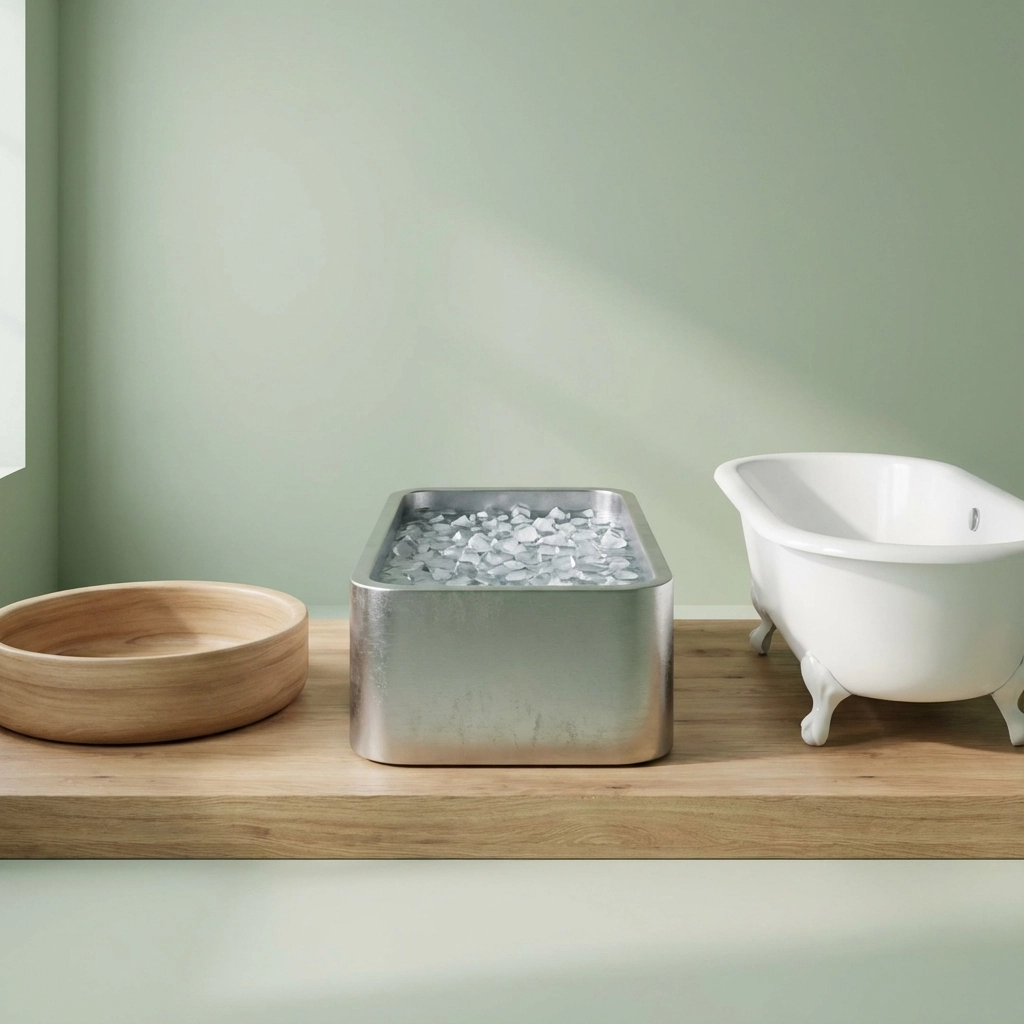
How Each Bath Type Affects Recovery
Ice Baths: The Cold Truth
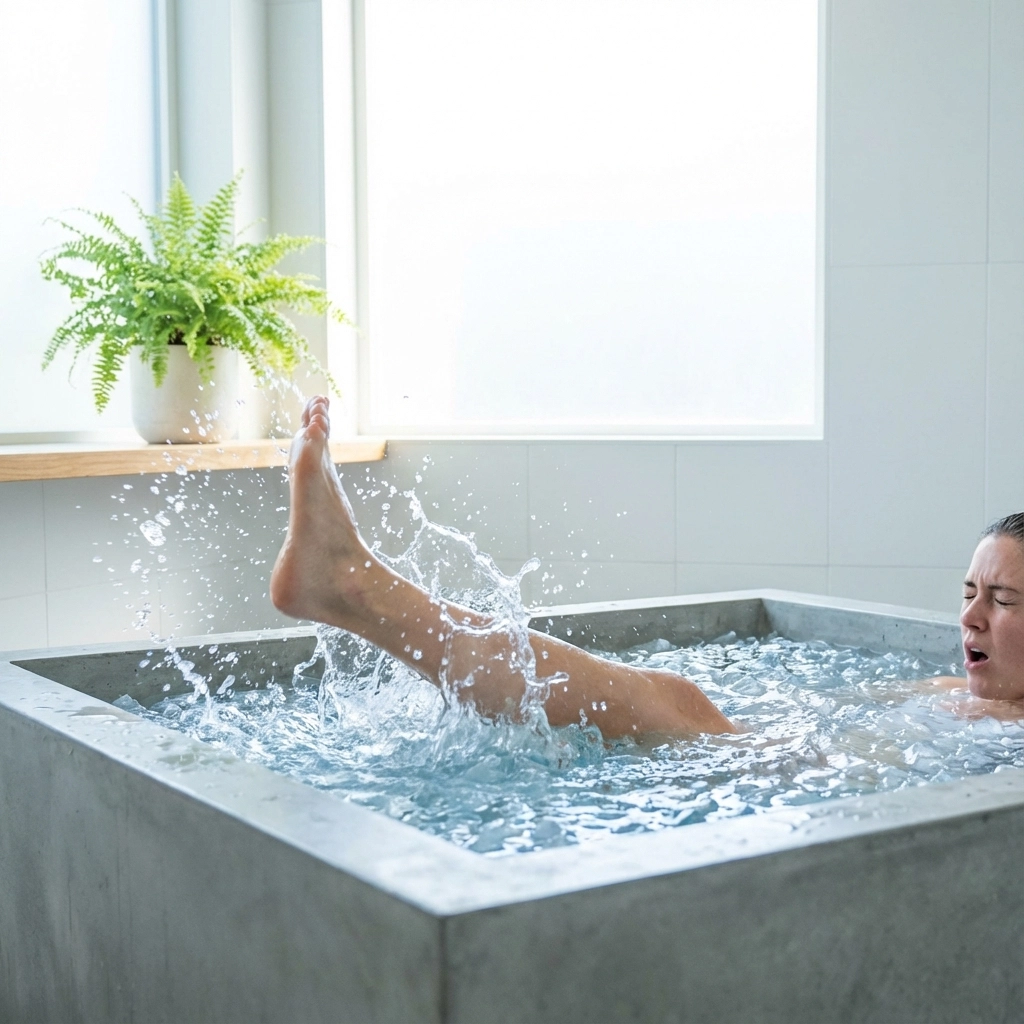
Ice baths work through cold therapy, also called cryotherapy. When you expose your body to cold water, several things happen:
Blood vessels constrict, reducing inflammation
Metabolic processes slow down, limiting tissue damage
Pain signals to the brain decrease
Recovery time for muscle soreness often improves
The science shows ice baths can be particularly effective for high-intensity workouts or when you're training multiple times per day. They're most beneficial within 24 hours after exercise.
However, ice baths aren't comfortable. The shock to your system can be intense, and they're not suitable for everyone.
Regular Warm Baths: The Comfort Zone
Warm baths take the opposite approach. Heat therapy works by:
Increasing blood flow to muscles
Relaxing tight muscle fibers
Promoting flexibility and range of motion
Reducing muscle tension and stiffness
Providing mental relaxation benefits
Warm baths are particularly good for recovery from endurance activities or when dealing with chronic muscle tension. They're also much more pleasant than ice baths and easier to incorporate into your routine.
The downside is that heat can sometimes increase inflammation in the first 24-48 hours after intense exercise.
Sitz Baths: The Targeted Approach
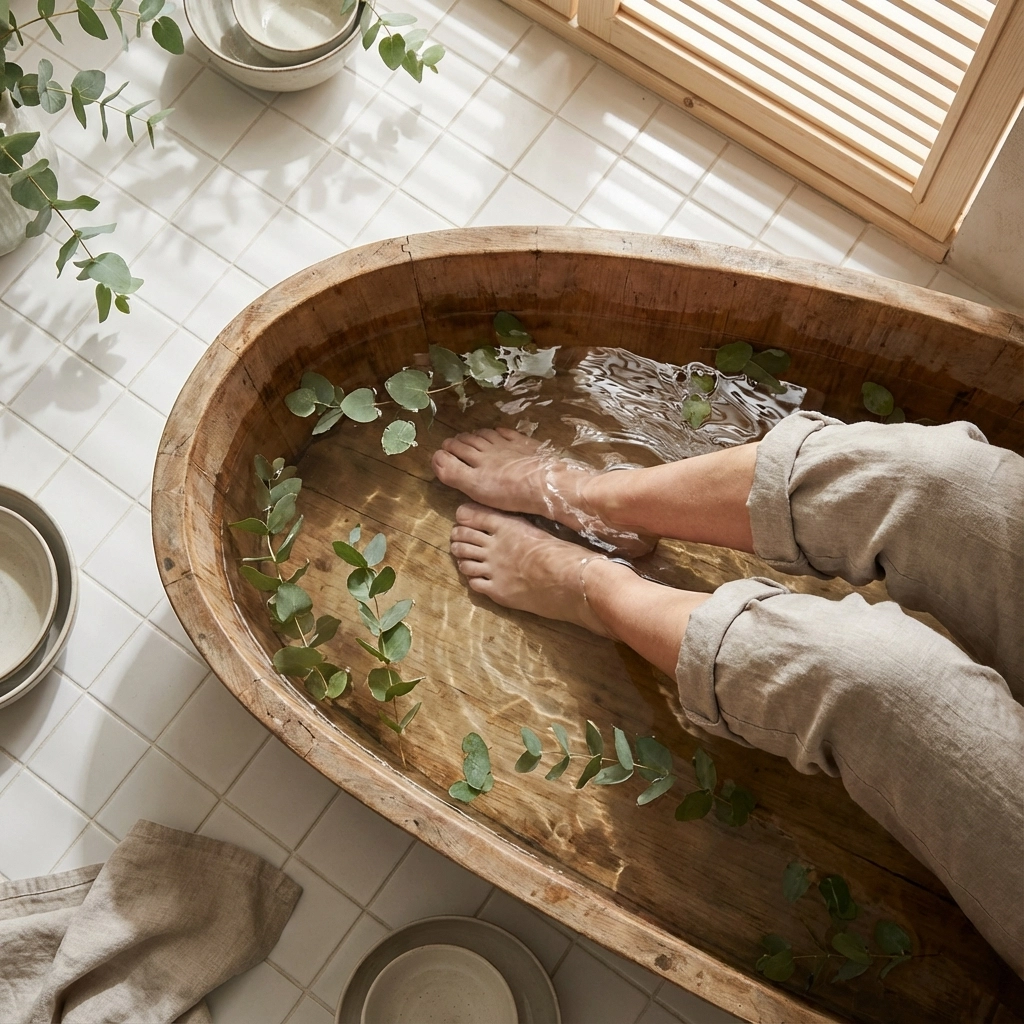
Sitz baths offer a middle ground with some unique advantages:
Targeted heat therapy for core and lower body muscles
Less stress on your cardiovascular system than full-body baths
Efficient use of time and water
Can be combined with Epsom salts for additional benefits
Easier to maintain consistent temperature
For post-workout recovery, sitz baths are particularly useful when your workout focused on lower body muscles, core, or glutes. They provide heat therapy benefits without the full-body commitment.
When to Use Each Bath Type
Choose Ice Baths When:
You've completed high-intensity interval training
You're training multiple times per day
You need to reduce acute inflammation
You have less than 24 hours until your next workout
You can tolerate the discomfort
Choose Regular Warm Baths When:
You've completed endurance training
You're dealing with muscle stiffness
You want to improve flexibility
You need mental relaxation
You have chronic muscle tension
Choose Sitz Baths When:
Your workout focused on lower body or core
You want targeted heat therapy
You're short on time
You want to conserve water and energy
You prefer a gentler approach than full-body baths
The Science Behind Recovery
Recovery happens through several biological processes. Understanding these helps you choose the right bath type.
Inflammation Response: After exercise, your body triggers inflammation as part of the healing process. Ice baths can reduce this initial response, while warm baths later in recovery can help clear inflammatory byproducts.
Blood Flow: Cold therapy initially reduces blood flow, then increases it when you warm up afterward. Warm therapy directly increases blood flow, bringing nutrients to damaged tissues.
Muscle Protein Synthesis: This is how your muscles actually get stronger. Cold therapy immediately after exercise might interfere with this process, while heat therapy generally supports it.
Pain Management: Both cold and heat can reduce pain, but through different mechanisms. Cold numbs nerve endings, while heat relaxes muscle tension.
Practical Considerations
Cost and Accessibility
Regular baths win here. Most homes have bathtubs, and warm water costs relatively little. Ice baths require significant ice or specialized equipment. Sitz baths fall in the middle – you can use a regular bathtub but need less water.
Time Commitment
Ice baths are typically shortest (10-15 minutes max). Sitz baths can be 15-20 minutes. Regular baths often extend longer for maximum relaxation benefits.
Safety Factors
Ice baths carry the most risk. People with heart conditions, circulation problems, or other health issues should avoid them. Warm and sitz baths are generally safer but can still affect blood pressure.
Making the Right Choice for You
The "best" recovery bath depends on your specific situation:
For Competitive Athletes: Ice baths often provide the edge in rapid recovery, especially during intense training periods.
For Recreational Exercisers: Regular warm baths offer excellent recovery benefits with much greater comfort and convenience.
For Targeted Recovery: Sitz baths provide focused treatment when your workout emphasized lower body muscles.
For Mixed Approach: Many people rotate between different bath types depending on their workout and schedule.
Enhanced Recovery Options
You can boost any bath's effectiveness:
Epsom Salts: Add magnesium sulfate for additional muscle relaxation
Essential Oils: Lavender or eucalyptus can enhance relaxation
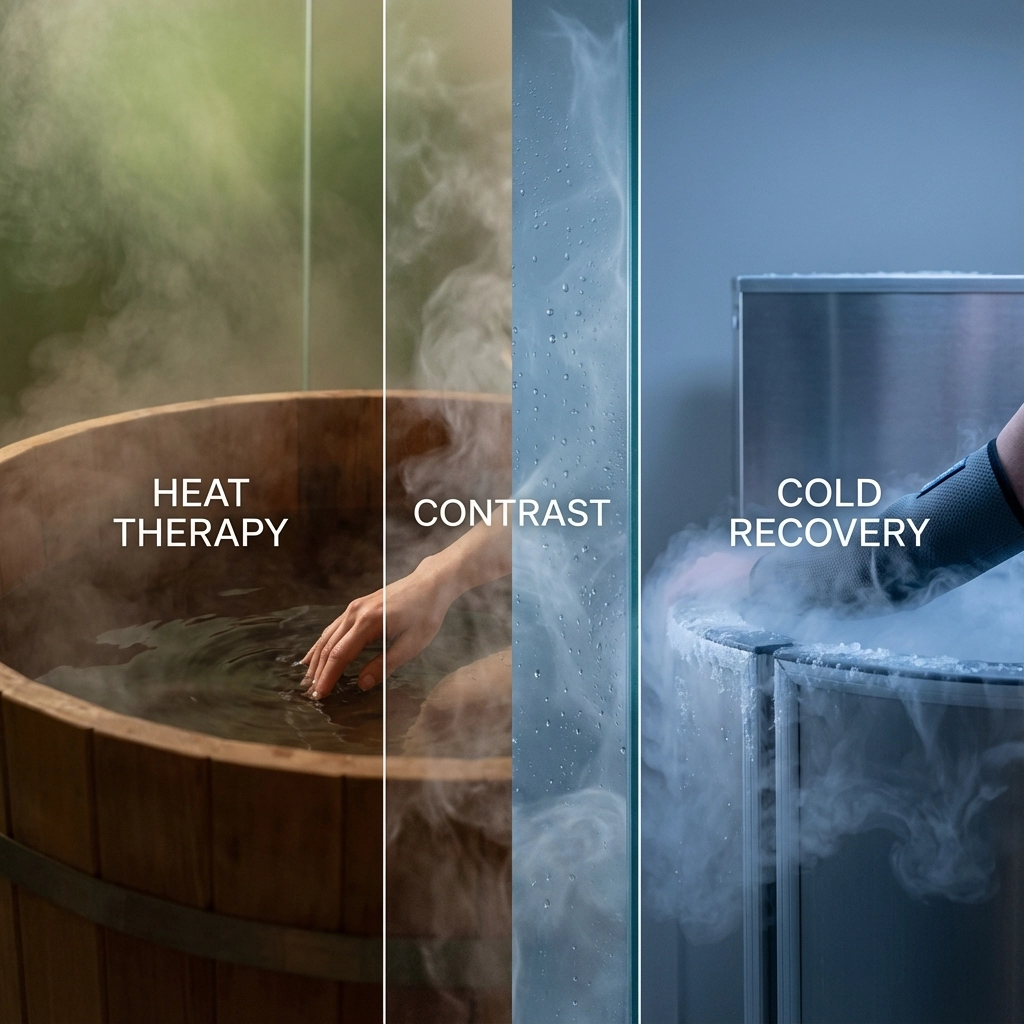
Contrast Therapy: Alternate between hot and cold exposure
Timing: Use cold therapy immediately post-workout, heat therapy later
The Verdict
There's no universal winner. Each bath type serves different recovery needs:
Ice baths excel at acute inflammation reduction and rapid recovery for high-intensity training
Regular warm baths provide comprehensive relaxation and flexibility benefits
Sitz baths offer efficient, targeted therapy for lower body recovery
The best approach might be using different types for different situations. Listen to your body, consider your schedule, and choose what works consistently for your lifestyle.

Remember, recovery is just as important as the workout itself. Whether you choose the shock of cold water, the comfort of warmth, or the focused approach of a sitz bath, the key is making recovery a regular part of your routine.
Your muscles will thank you, and your next workout will be that much better.
Comments