

Stop Falling for Fake Supplement Reviews on TikTok and Amazon: 5 Red Flags That Could Cost Your Health
- nyevigour
- Nov 16, 2025
- 5 min read
Fake supplement reviews are everywhere online. They're costing people money and putting health at risk. Whether you're scrolling through TikTok or browsing Amazon, spotting these fakes can save you from wasting cash on products that don't work: or worse, ones that could harm you.
Here are five clear warning signs that a supplement review isn't real.
Red Flag #1: Perfect 5-Star Reviews That Sound Like Advertisements
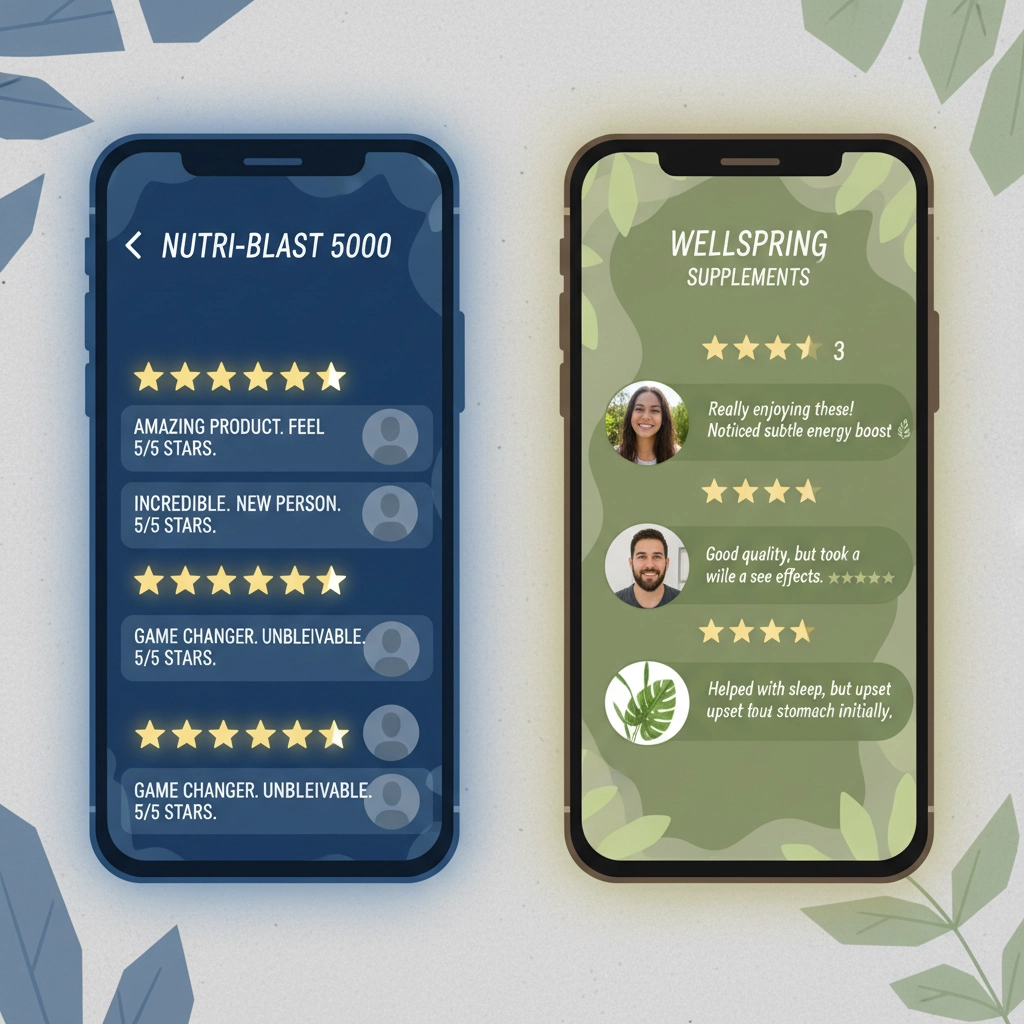
Real people don't write perfect reviews. They mention both good and bad points. They talk about their actual experience.
Fake reviews sound like marketing copy. They use phrases like "life-changing results in just days" or "amazing transformation." Real customers usually say things like "helped with my energy levels" or "noticed some improvement after a few weeks."
On Amazon, watch for:
Reviews that use the exact same phrases as the product description
Multiple reviews posted on the same day with similar wording
Reviews that don't mention any downsides or realistic timelines
On TikTok, look out for:
Creators who only post about supplements (and get paid for every one)
Videos with perfect lighting and professional setups that look more like ads
People claiming dramatic results without showing before/after proof
Red Flag #2: Sudden Review Spikes in Short Time Periods
Legitimate products get reviews gradually over time. Real customers buy products at different times and leave feedback when they remember to.
Fake review campaigns happen all at once. You'll see 50+ reviews appear in one week, then nothing for months.
How to check on Amazon:
Click on the review section
Look at the dates when reviews were posted
Check if there's a weird pattern (like 40 reviews in one week, then almost none)
How to spot this on TikTok:
Check if multiple influencers are posting about the same supplement in the same week
Look for hashtags that suddenly trend for no obvious reason
Notice if creators are using identical talking points or showing the same product shots
Real supplement reviews come in slowly and steadily. Fake ones come in waves.
Red Flag #3: Reviews Focus More on Shipping Than the Actual Product
This one's tricky but important. Fake reviewers often don't have the actual product. They write about things they can easily fake: like how fast it arrived or how nice the packaging looked.
Warning signs in Amazon reviews:
"Fast shipping, great seller!" with no mention of how the supplement worked
Reviews that spend more time talking about the bottle than what's inside it
Comments like "exactly as described" without saying what it actually did
TikTok red flags:
Videos that only show unboxing or packaging
Creators who talk about ordering but never show themselves actually taking the supplement
Content focused on the "aesthetic" of the product rather than results
Real customers care about whether the supplement helped them. Fake reviewers focus on stuff that doesn't matter for your health decisions.

Red Flag #4: Reviewer Profiles Don't Look Real
Take 30 seconds to check who's leaving the review. Real people have messy, normal online lives. Fake reviewers have weird patterns.
Amazon profile red flags:
Only reviews supplements (especially all 5-star ratings)
Account created recently but has tons of reviews already
Generic usernames like "HealthyLiving2024" or "WellnessGuru"
No verified purchases on other types of products
TikTok creator red flags:
New accounts with thousands of followers but only supplement content
Creators who never show their face clearly
Accounts that post supplement reviews daily (no one tries that many products)
Bios that are just lists of supplement brands
Real people review different things: books, gadgets, clothes. They have lives beyond supplements. Fake profiles are laser-focused on one type of product.
Red Flag #5: Reviews Use Medical Claims They Shouldn't Make
Supplements can't legally claim to cure diseases. But fake reviews often make these claims anyway.
Illegal claims to watch for:
"Cured my diabetes"
"Fixed my thyroid problems"
"Eliminated my depression"
"Replaced my blood pressure medication"
Real customers might say "helped me feel more energetic" or "seemed to support my mood." They don't claim miraculous medical cures.
On Amazon:
Reviews claiming the supplement works better than prescription drugs
People saying they threw away their medications after taking the supplement
Claims about specific medical conditions being "cured"
On TikTok:
Creators making before/after medical claims
Videos suggesting supplements can replace doctor visits
Content that promises specific health outcomes
How to Find Trustworthy Reviews Instead
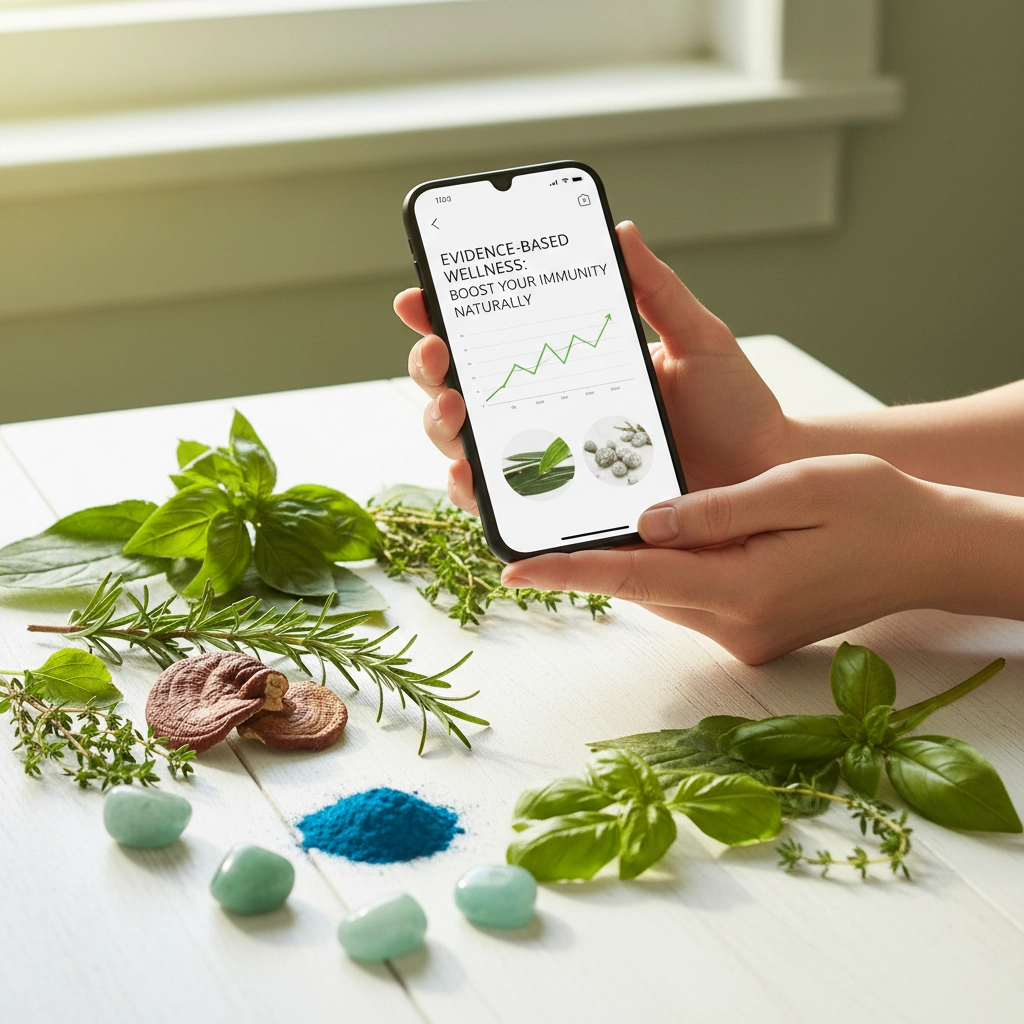
Don't just rely on the platform's review system. Here's what works better:
For Amazon shopping:
Read the 3-star reviews first (they're usually most honest)
Check if the brand has third-party testing certificates
Look for products sold directly by the manufacturer, not random sellers
For TikTok research:
Follow creators who review many different products, not just supplements
Look for people who mention both pros and cons
Check if they disclose paid partnerships (they legally have to)
Better research methods:
Check independent review sites like ConsumerLab
Look up the ingredients on PubMed for actual scientific studies
Ask your doctor or pharmacist for advice
The Real Cost of Fake Reviews
Fake reviews aren't just annoying: they're dangerous. People waste money on products that don't work. Worse, some fake supplements contain ingredients that aren't listed on the label.
The supplement industry isn't heavily regulated. Companies can make products without proving they work. Fake reviews make this problem worse by pushing products that haven't been properly tested.
When you buy based on fake reviews, you might get:
Products with no active ingredients
Supplements with dangerous unlisted ingredients
Expired or contaminated products from sketchy sellers
Products that interfere with your medications
Quick Checklist Before You Buy
Before purchasing any supplement based on online reviews, ask yourself:
Do the reviews mention realistic timelines for results?
Are reviewers talking about the actual effects, not just shipping?
Do the reviewer profiles look like real people?
Are multiple reviews using similar language?
Does anyone mention side effects or things that didn't work?
If something feels off, trust your gut. It's better to spend more time researching than to waste money on fake products.
What to Do If You've Been Fooled
Don't feel bad if you've fallen for fake reviews before. It happens to everyone. Here's what to do:
Stop taking the supplement if you're not seeing results or feeling worse
Report fake reviews on whatever platform you found them
Leave your own honest review to help other people
Research more carefully next time
The supplement industry needs honest feedback from real customers. Your genuine review: even if it's not glowing: helps other people make better decisions.
Remember: if a supplement sounds too good to be true based on reviews alone, it probably is. Take time to research properly. Your health is worth the extra effort.
For high-quality supplements with transparent ingredients and honest customer feedback, visit our store where we prioritize your wellness over flashy marketing.

Comments