

Stop Wasting Money on Expensive Wellness Routines: 5 Simple Daily Habits That Cost Under £20
- nyevigour
- Oct 25, 2025
- 4 min read
Wellness doesn't have to cost a fortune. Expensive gym memberships, fancy supplements, and luxury spa treatments might seem essential, but they're not. The truth is, most effective wellness habits cost practically nothing.
Here are five simple daily habits that will transform your health without breaking the bank.
1. Move Your Body at Home (Cost: £0-15)
Forget expensive gym memberships averaging £40-60 monthly. Your living room is your new fitness center.
What you need: • Your body weight • 10-15 minutes daily • Optional: resistance bands (£5-10)
Simple daily routine: • 5 minutes morning stretches • 20 squats during TV adverts • 1-minute plank before bed • Walk up stairs instead of taking lifts • Dance while cooking

Why it works: Regular movement boosts metabolism, improves mood, and strengthens muscles. Research shows even 10 minutes daily makes a significant difference to cardiovascular health.
Money saved: £480-720 annually compared to gym memberships.
2. Optimize Your Sleep (Cost: £0-10)
Quality sleep is the foundation of good health. Skip expensive sleep clinics and gadgets.
Free sleep improvements: • Set consistent bedtime and wake time • Keep bedroom cool (16-19°C) • No screens 1 hour before bed • Create dark environment with curtains or eye mask (£3-5) • Wind down with reading or gentle stretches
Simple evening routine: • 9 PM: Dim lights, stop caffeine • 9:30 PM: Warm shower or bath • 10 PM: Light reading or journaling • 10:30 PM: Sleep
Why it works: Poor sleep disrupts hormones controlling hunger, stress, and immune function. Good sleep habits cost nothing but deliver massive health returns.
Money saved: £200-500 annually compared to sleep aids and supplements.
3. Hydrate and Eat Simply (Cost: £0-15)
Proper hydration and basic nutrition beat expensive superfoods and detox programs.
Daily hydration goals: • 2-3 litres water daily • Start each day with large glass of water • Carry reusable water bottle (£5-10) • Add lemon slice for variety

Simple nutrition habits: • Eat vegetables with every meal • Choose whole grains over processed • Include protein source at each meal • Limit processed foods and added sugars • Cook more meals at home
Budget-friendly nutritious foods: • Eggs (complete protein) • Oats (fibre and slow-release energy) • Seasonal vegetables • Dried beans and lentils • Bananas (potassium and energy)
Why it works: Proper hydration improves energy, brain function, and skin health. Simple, whole foods provide essential nutrients without marketing premiums.
Money saved: £100-300 monthly compared to meal delivery services and expensive superfoods.
4. Manage Stress Naturally (Cost: £0-5)
Stress management doesn't require expensive therapy sessions or retreat weekends.
Daily stress-busters: • 5-minute deep breathing exercises • Journal for 10 minutes (notebook: £2-3) • Spend 15 minutes outdoors • Listen to calming music • Practice gratitude before bed
Simple breathing technique: • Inhale for 4 counts • Hold for 4 counts • Exhale for 6 counts • Repeat 5-10 times

Free mindfulness practices: • Focus on present moment during daily tasks • Take mindful walks • Practice body scan relaxation • Use free meditation apps • Connect with friends and family
Why it works: Chronic stress increases inflammation, disrupts sleep, and weakens immunity. Simple stress management techniques activate the body's relaxation response.
Money saved: £50-200 monthly compared to professional stress management programs.
5. Smart Supplementation (Cost: £10-20 monthly)
Not all supplements are expensive. Focus on evidence-based basics that deliver real value.
Essential affordable supplements:
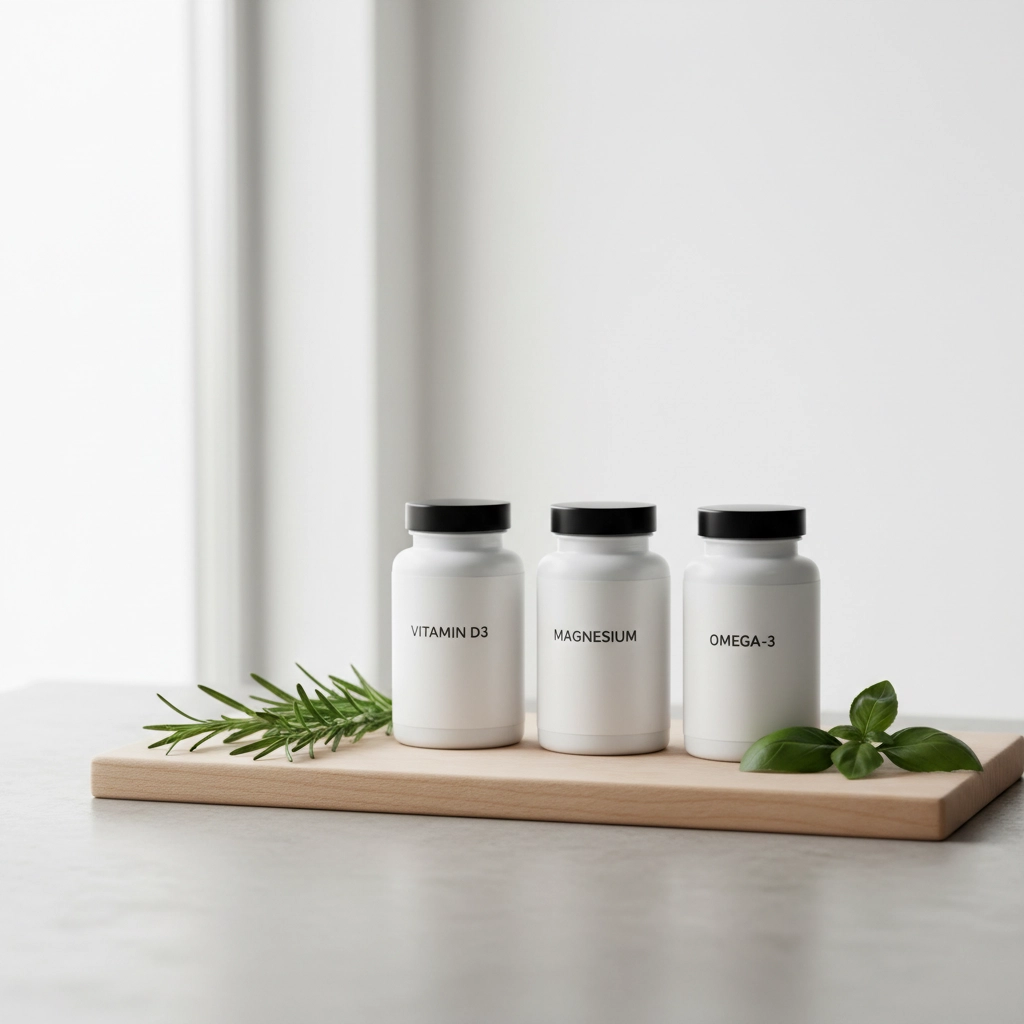
Vitamin D3 (£3-5 monthly): Most people are deficient, especially during winter months. Supports immune function, bone health, and mood.
Omega-3 (£8-12 monthly): Reduces inflammation, supports heart and brain health. Our Omega 3-6-9 Complex provides essential fatty acids your body can't produce.
Basic multivitamin (£5-8 monthly): Fills nutritional gaps in busy lifestyles. Choose simple formulations over expensive mega-dose versions.

Digestive support (£6-10 monthly):Digestive enzymes or fibre supplements improve nutrient absorption and gut health.
What to avoid: • Expensive proprietary blends • Mega-dose supplements • Celebrity-endorsed products • MLM supplement schemes • Untested exotic ingredients
Smart shopping tips: • Compare price per serving, not package price • Look for third-party testing • Choose simple, single-ingredient supplements • Buy from reputable retailers • Start with one supplement at a time
Why it works: Quality basic supplements fill genuine nutritional gaps. Expensive doesn't mean better – often the opposite.
Money saved: £50-150 monthly compared to premium supplement stacks.
Making It Stick: Your 21-Day Challenge
Transform these habits into lasting routines with this simple approach:
Week 1: Choose one habit. Practice daily. Week 2: Add second habit. Continue first. Week 3: Add remaining habits gradually.
Track your progress: • Use simple checklist or phone notes • Notice energy levels and mood changes • Celebrate small wins • Don't aim for perfection
Common mistakes to avoid: • Trying all habits simultaneously • Setting unrealistic expectations • Comparing your routine to others • Giving up after missing one day • Focusing on cost over consistency
The Real Cost of Wellness
Expensive wellness routines often fail because they're unsustainable. When monthly costs exceed £100-200, people eventually quit.
These five habits cost under £20 monthly but deliver: • Improved energy and mood • Better sleep quality • Reduced stress levels • Stronger immune system • Enhanced mental clarity
Total monthly investment: £10-20 Total annual savings: £1,000-3,000 compared to expensive wellness programs
The most effective wellness routine is the one you actually follow. Simple, affordable habits practiced consistently beat expensive programs abandoned after a few months.
Start today. Choose one habit. Your health and bank account will thank you.
Your body doesn't care how much you spend on wellness – it responds to consistent, healthy choices. The best investment in your health is developing sustainable daily habits that support long-term wellbeing.
Stop wasting money on wellness marketing. Invest in simple habits that work.


Comments