

Are You Making These 5 Common Gut Health Mistakes? (And How Prebiotics Can Fix Them)
- nyevigour
- Oct 14, 2025
- 4 min read
Most people make critical gut health errors without realizing it. These mistakes can sabotage digestion, weaken immunity, and create long-term health issues. The solution often lies in understanding prebiotics: the fuel that powers beneficial gut bacteria.
Mistake #1: Focusing Only on Probiotics
Many people load up on probiotic supplements and fermented foods while completely ignoring prebiotics. This approach misses the bigger picture.
Probiotics introduce live bacteria into the digestive system. Prebiotics feed the beneficial bacteria already living there. Without prebiotics, probiotics cannot establish themselves effectively.
The Prebiotic Fix:
Add high-fiber foods to every meal
Include legumes like black beans and lentils
Choose whole grains over refined options
Eat vegetables like broccoli, asparagus, and onions
Select fruits such as apples, bananas, and berries
These foods contain prebiotic fibers that nourish existing gut bacteria. This approach costs less than supplements and delivers better results.

Mistake #2: Not Eating Enough Fiber
Insufficient fiber starves gut microbes. This leads to poor digestion, weakened immunity, and increased inflammation. Most adults consume less than half the recommended daily fiber intake.
Fiber serves as the primary food source for beneficial bacteria. Without adequate fiber, harmful bacteria multiply while beneficial ones decline. This imbalance affects overall health.
The Prebiotic Solution:
Aim for 25-35 grams of fiber daily
Choose whole fruits over fruit juices
Replace white rice with quinoa or brown rice
Add nuts and seeds to meals
Include beans in soups and salads
Gradual increases prevent digestive discomfort. Start with one additional serving of high-fiber foods per day.
Mistake #3: Eating Too Many Processed Foods
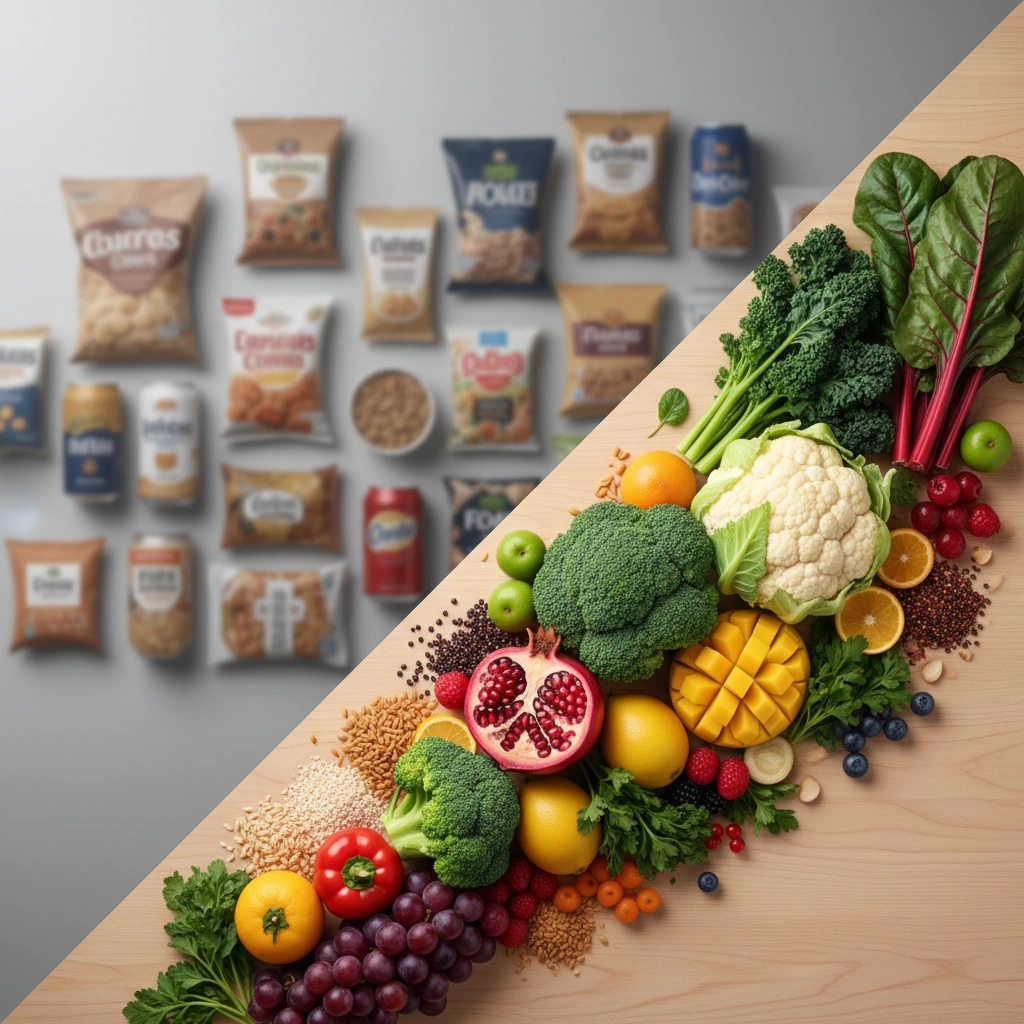
Processed foods contain additives, preservatives, and artificial ingredients that harm gut bacteria. These substances promote inflammation and reduce bacterial diversity.
Emulsifiers in processed foods can damage the intestinal lining. This creates "leaky gut" syndrome, allowing toxins to enter the bloodstream. The result is systemic inflammation and compromised immunity.
The Prebiotic Replacement Strategy:
Cook meals using whole ingredients
Replace packaged snacks with nuts or fruits
Choose fresh vegetables over canned versions
Select minimally processed grains
Prepare meals in advance to avoid convenience foods
Whole foods naturally contain prebiotics. This switch feeds beneficial bacteria while eliminating harmful additives.
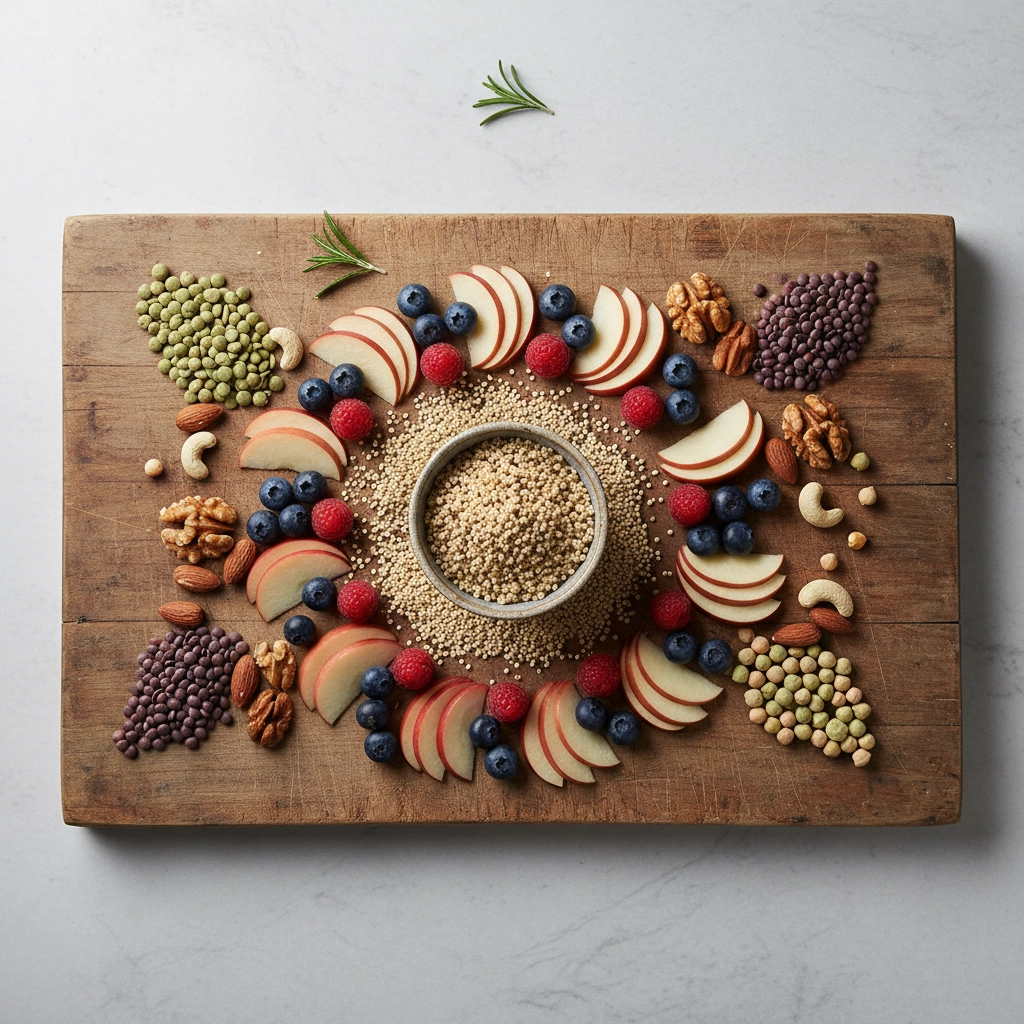
Mistake #4: Consuming Excessive Saturated Fat
High amounts of saturated fat from meat and dairy alter gut bacteria composition. This change promotes inflammation-causing microbes while reducing beneficial ones.
Animal-based diets increase bile production. Certain bacteria thrive on bile and can trigger inflammatory responses. Fried foods compound this problem by reducing bacterial diversity.
The Plant-Based Prebiotic Approach:
Reduce red meat consumption to 2-3 servings weekly
Replace some animal proteins with plant options
Choose lean proteins like fish and poultry
Include plant-based meals several times per week
Add prebiotic-rich vegetables to meat dishes
Plant foods provide prebiotic fibers that promote anti-inflammatory bacteria. This balance supports better gut health.
Mistake #5: Drinking Too Little Water
Dehydration affects digestion and bacterial balance. Water helps break down food, absorb nutrients, and move waste through the intestines. Without adequate hydration, constipation and bacterial imbalances occur.
Proper hydration supports the mucus layer that protects the intestinal lining. This barrier prevents harmful bacteria from causing inflammation.
The Hydration and Prebiotic Combination:
Drink 8-10 glasses of water daily
Include water-rich foods like cucumber and watermelon
Limit dehydrating beverages like alcohol and caffeine
Add lemon to water for additional benefits
Consume prebiotic foods with adequate water for optimal effectiveness
Water enhances prebiotic function by helping fiber move through the digestive system properly.
Building Your Prebiotic Foundation
Creating lasting gut health requires consistent prebiotic intake. Focus on variety rather than perfection. Different prebiotic fibers feed different bacterial strains.
Daily Prebiotic Targets:
Include vegetables at every meal
Choose whole grains over refined options
Add legumes to meals 3-4 times weekly
Snack on nuts, seeds, or fresh fruit
Cook with onions, garlic, and herbs regularly
Simple Implementation Plan
Start with one change per week. Sudden dietary shifts can cause digestive discomfort. Gradual adjustments allow gut bacteria to adapt naturally.
Week 1: Replace one refined grain with a whole grain option Week 2: Add one serving of legumes daily Week 3: Include raw vegetables with each meal Week 4: Choose whole fruits over processed snacks
This progressive approach builds sustainable habits while supporting gut health improvement.
Measuring Progress
Positive changes often appear within 2-4 weeks. Monitor these indicators:
Improved bowel regularity
Reduced bloating and gas
Better energy levels
Enhanced mood stability
Fewer digestive issues
These improvements signal better bacterial balance and gut function.
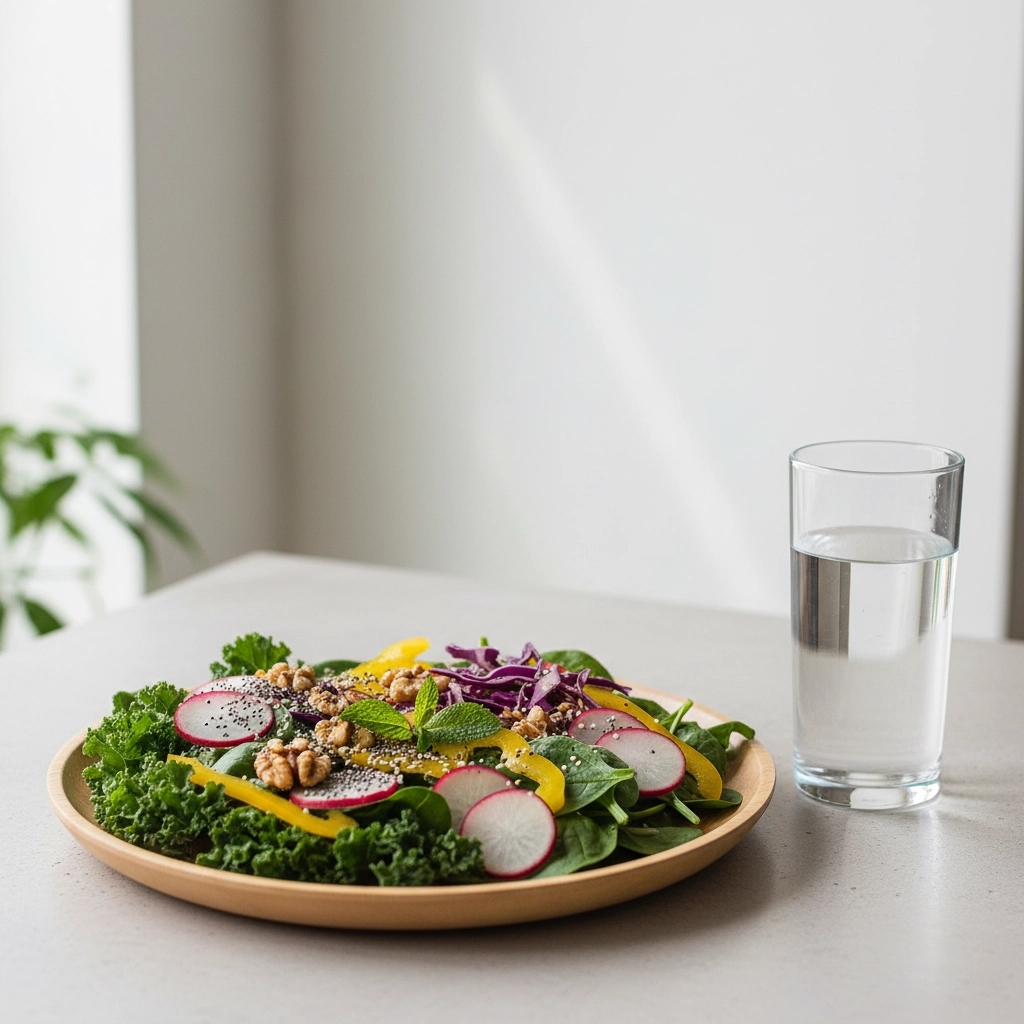
Beyond Basic Prebiotics
Advanced prebiotic strategies can accelerate results:
Rotate different fiber sources weekly
Include fermented foods alongside prebiotic-rich meals
Time prebiotic intake with physical activity
Combine multiple prebiotic types in single meals
Support with stress management and adequate sleep
These tactics optimize the gut environment for beneficial bacteria growth.
Long-Term Success
Sustainable gut health requires ongoing attention to prebiotic intake. Avoid returning to previous habits that damage bacterial balance.
Consistent prebiotic consumption creates a self-reinforcing cycle. Beneficial bacteria produce compounds that support gut barrier function and reduce inflammation. This environment naturally crowds out harmful bacteria.
The investment in prebiotic-rich foods pays dividends in improved digestion, stronger immunity, and better overall health. Start with simple changes and build momentum through consistent application.
Most gut health problems stem from these five common mistakes. Addressing them through strategic prebiotic intake provides a foundation for lasting digestive wellness. The solution lies not in expensive supplements but in returning to whole, fiber-rich foods that humans have consumed for millennia.


Comments