

DIY Herbal Blend Secrets Revealed: What Wellness Experts Don't Want You to Know About Safer Alternatives
- nyevigour
- Dec 8, 2025
- 4 min read
The truth is, there are no hidden "secrets" that wellness experts are keeping from you. The real story about DIY herbal blends is much simpler: and potentially more concerning: than most people realize.
What experts actually emphasize are fundamental safety practices that many DIY enthusiasts overlook. These aren't industry secrets designed to sell more products. They're evidence-based guidelines developed to prevent serious health complications.
The Real Problem With DIY Herbal Blends
Most herbal products aren't regulated by the FDA with the same standards as pharmaceutical drugs. This means manufacturers don't need to prove safety or effectiveness before selling their products.
The consequences are significant:
Products may be mislabeled or contaminated
Batch-to-batch consistency varies wildly
Heavy metals, pesticides, and other toxins often slip through
Enforcement typically happens only after adverse events are reported
Quality Control Issues You Need to Know
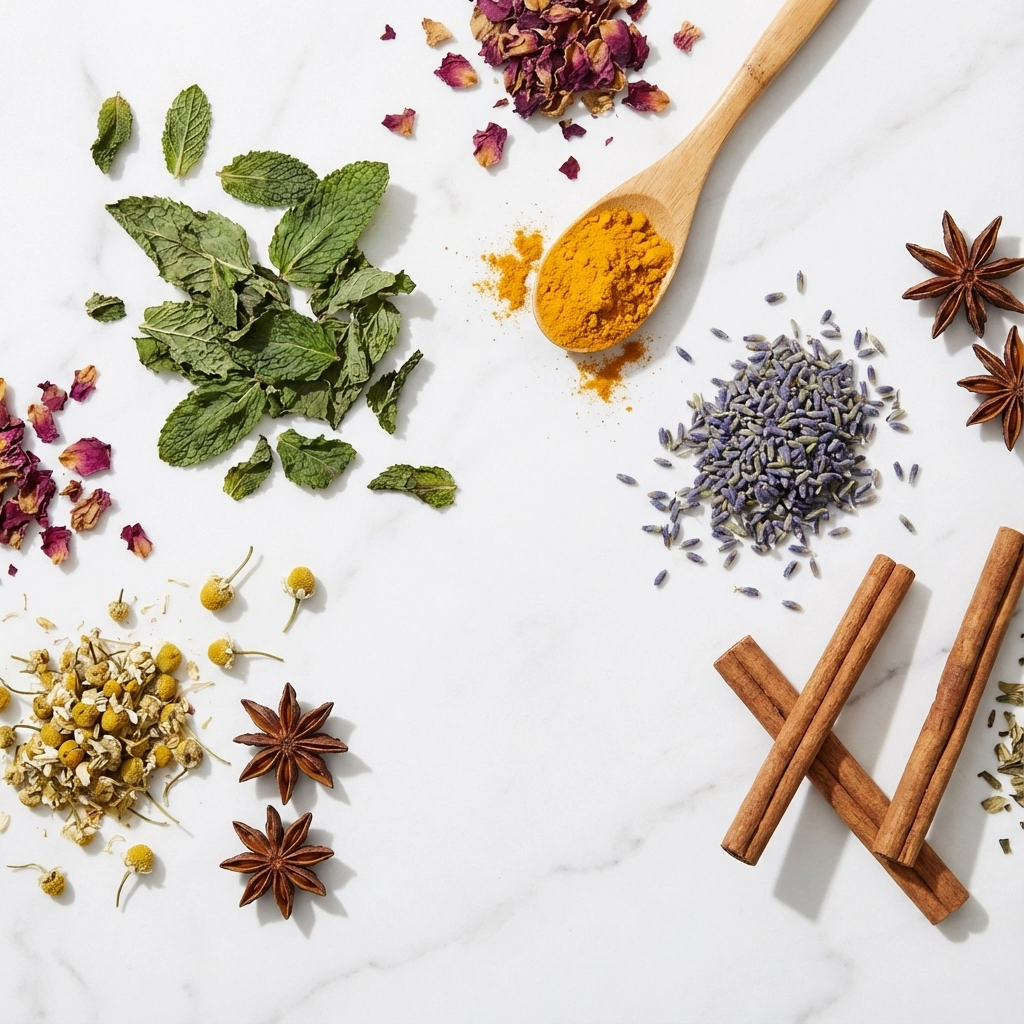
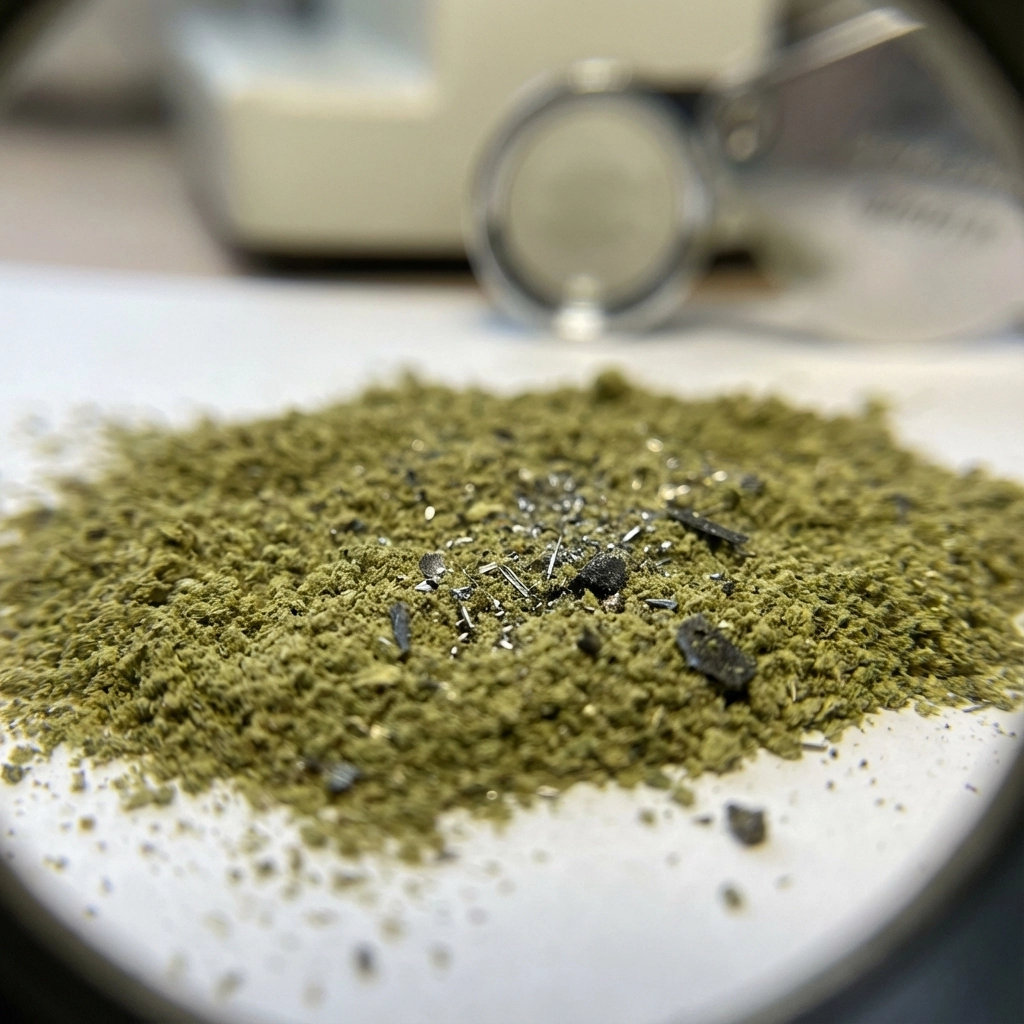
When you're creating DIY herbal blends, you're working with ingredients that may not contain what's listed on the label. Studies consistently show that many herbal supplements contain:
Fillers not listed on packaging
Inconsistent active compound levels
Contamination from manufacturing processes
Pesticide residues from poor sourcing
Third-party testing exists, but it's not mandatory. This puts the responsibility entirely on you to verify what you're actually consuming.
Starting Your DIY Journey Safely
Source from reputable suppliers only. Look for companies that provide certificates of analysis and third-party testing results. This documentation should verify purity levels and confirm the absence of common contaminants.
Begin with single herbs before blending. Test each ingredient individually to understand how your body responds. This approach helps identify any adverse reactions before they become complicated by multiple variables.
Start with small quantities. Conservative dosing allows you to monitor effects and adjust accordingly. Many people assume "natural" means "harmless," but herbs contain active compounds that affect your body's systems.
Understanding Herb-Drug Interactions
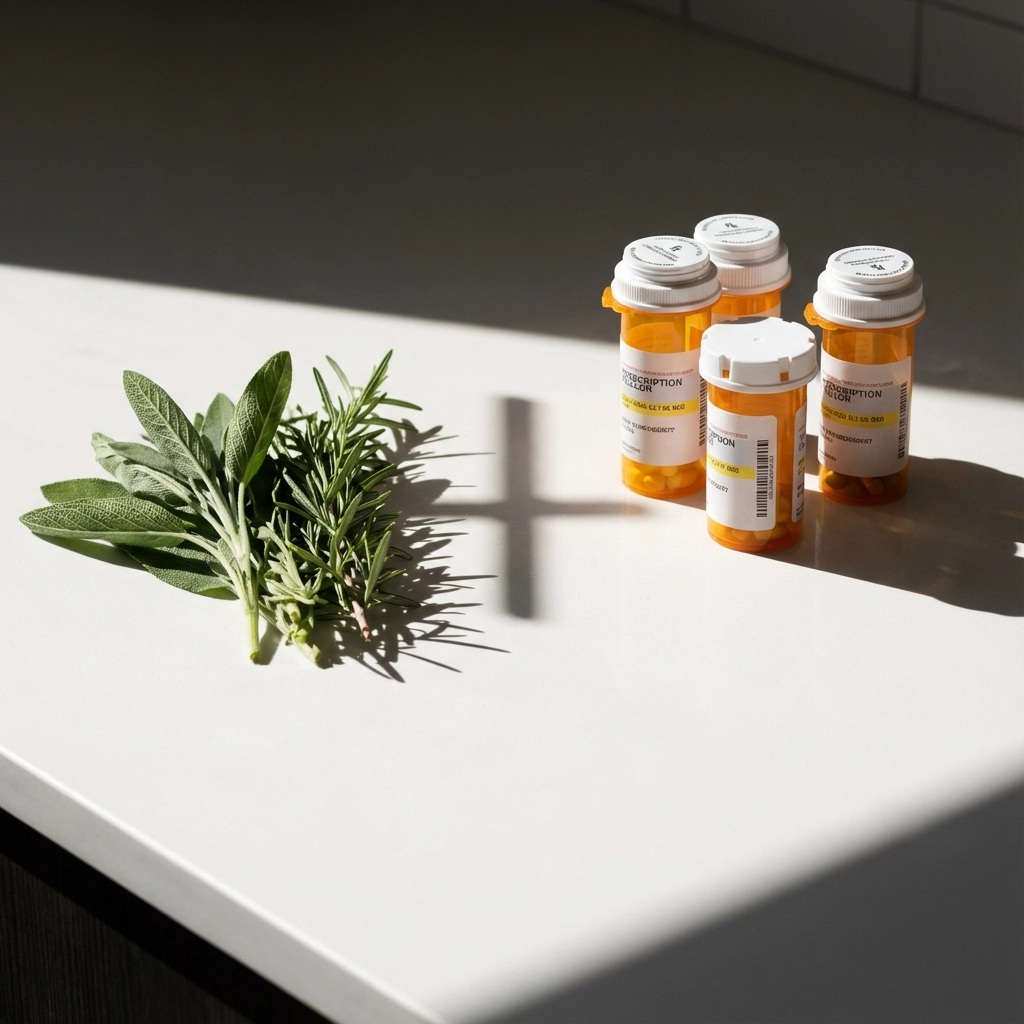
This is where DIY herbal blending becomes genuinely risky. Many herbs interact with prescription medications in ways that can:
Reduce medication effectiveness
Amplify side effects dangerously
Create unexpected health complications
Common problematic combinations include:
St. John's Wort with antidepressants or birth control
Ginkgo with blood thinners
Echinacea with immunosuppressants
Garlic supplements with anticoagulants
If you take any prescription medications, herbal experimentation requires medical supervision.
The Personalization Factor
Generic herbal formulas rarely work optimally for individual needs. Your body's response to herbs depends on:
Current health status
Existing medical conditions
Other medications or supplements
Individual metabolism variations
Specific wellness goals
Effective herbal protocols consider these factors rather than following one-size-fits-all approaches. For example, a blend for stress relief might include ashwagandha for one person but prove counterproductive for someone with autoimmune conditions.
Common DIY Mistakes to Avoid
Ignoring contraindications. Many herbs aren't suitable for pregnant women, people with liver conditions, or those preparing for surgery. These aren't arbitrary restrictions: they're based on documented adverse events.
Mixing too many ingredients. Complex blends make it impossible to identify which component is causing effects, whether positive or negative. Simplicity improves both safety and effectiveness.
Following social media recipes blindly. Popular doesn't equal safe. Many viral herbal recipes lack any scientific basis and may combine ingredients inappropriately.
Skipping professional consultation. Herbalists, naturopaths, and integrative medicine practitioners understand herb interactions and quality control issues that most DIY enthusiasts don't.
Safer Alternative Approaches
Rather than abandoning herbal wellness entirely, consider these evidence-based strategies:
Work with qualified practitioners. Professionals trained in botanical medicine understand contraindications, drug interactions, and quality sourcing. This guidance significantly reduces risk while improving outcomes.
Use standardized, tested products. When available, choose herbal supplements that have undergone clinical testing and standardization processes. These products offer more predictable results.
Focus on food-based approaches. Culinary herbs and spices provide many benefits with lower risk profiles. Turmeric in cooking, for example, offers anti-inflammatory benefits without the concentration risks of supplements.
Building Your Knowledge Base
Education is your best protection in the herbal world. Reliable resources include:
Peer-reviewed botanical medicine journals
Professional herbalist organizations
University extension programs on medicinal plants
Evidence-based integrative medicine websites
Avoid sources that make dramatic health claims or discourage medical consultation. Legitimate herbal education emphasizes safety and realistic expectations.
When Professional Help Is Essential
Certain situations require professional guidance:
Managing chronic health conditions
Taking prescription medications
Pregnancy or breastfeeding
History of liver or kidney problems
Preparing for surgery
Experiencing unexpected symptoms
Professional herbalists can create personalized protocols that work with your medical care rather than against it.
The Bottom Line on DIY Herbal Blends
The "secret" wellness experts want you to know is actually straightforward: herbal medicine works best when approached with knowledge, caution, and professional support.
DIY herbal blending can be part of a healthy lifestyle, but it requires more preparation and ongoing attention than many people realize. Quality sourcing, conservative dosing, and medical supervision aren't barriers to herbal wellness: they're the foundation of safe, effective practice.
Your health deserves this level of care and attention. Rather than viewing professional guidance as an obstacle, consider it an investment in getting better results while avoiding potentially serious complications.
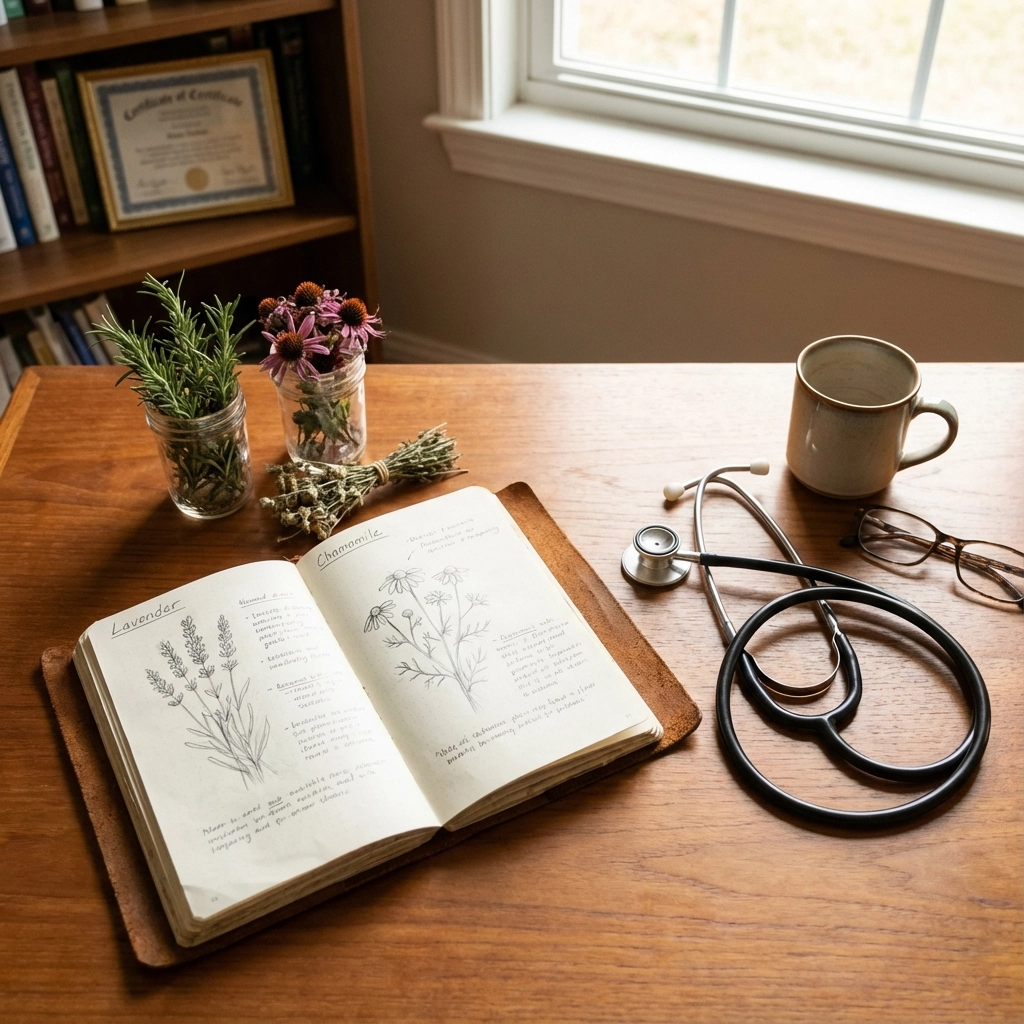
The most successful herbal wellness approaches combine personal empowerment with professional expertise. This balanced approach gives you the best of both worlds: the satisfaction of taking an active role in your health and the safety net of qualified guidance.
Start with education, proceed with caution, and don't hesitate to seek professional support when needed. Your body: and your long-term wellness goals( will benefit from this thoughtful approach.)


Comments