


Health Tips for Lymphatic Drainage: Simple Ways to Support Your Body's Detox System
- nyevigour
- Dec 1, 2025
- 5 min read
Your lymphatic system works behind the scenes every day, quietly filtering toxins and supporting your immune system. Think of it as your body's internal cleaning crew - it collects waste from your tissues and helps fight off infections.
Unlike your circulatory system with its powerful heart pump, your lymphatic system relies on muscle movement and gravity to keep things flowing. When this system gets sluggish, you might notice swelling, fatigue, or frequent infections.
The good news? Supporting your lymphatic health doesn't require expensive treatments or complicated routines. Here are simple, effective ways to keep your body's detox system running smoothly.
Get Moving - Your Lymph Needs Motion
Movement is the most important thing you can do for lymphatic drainage. Since lymph fluid doesn't have its own pump, it depends on muscle contractions to move through your system.
Walking tops the list for lymphatic support. Just 20-30 minutes of daily walking creates gentle muscle contractions that push lymph fluid along. No need for intense workouts - consistent, moderate movement works best.
Bouncing activities are particularly effective. Try:
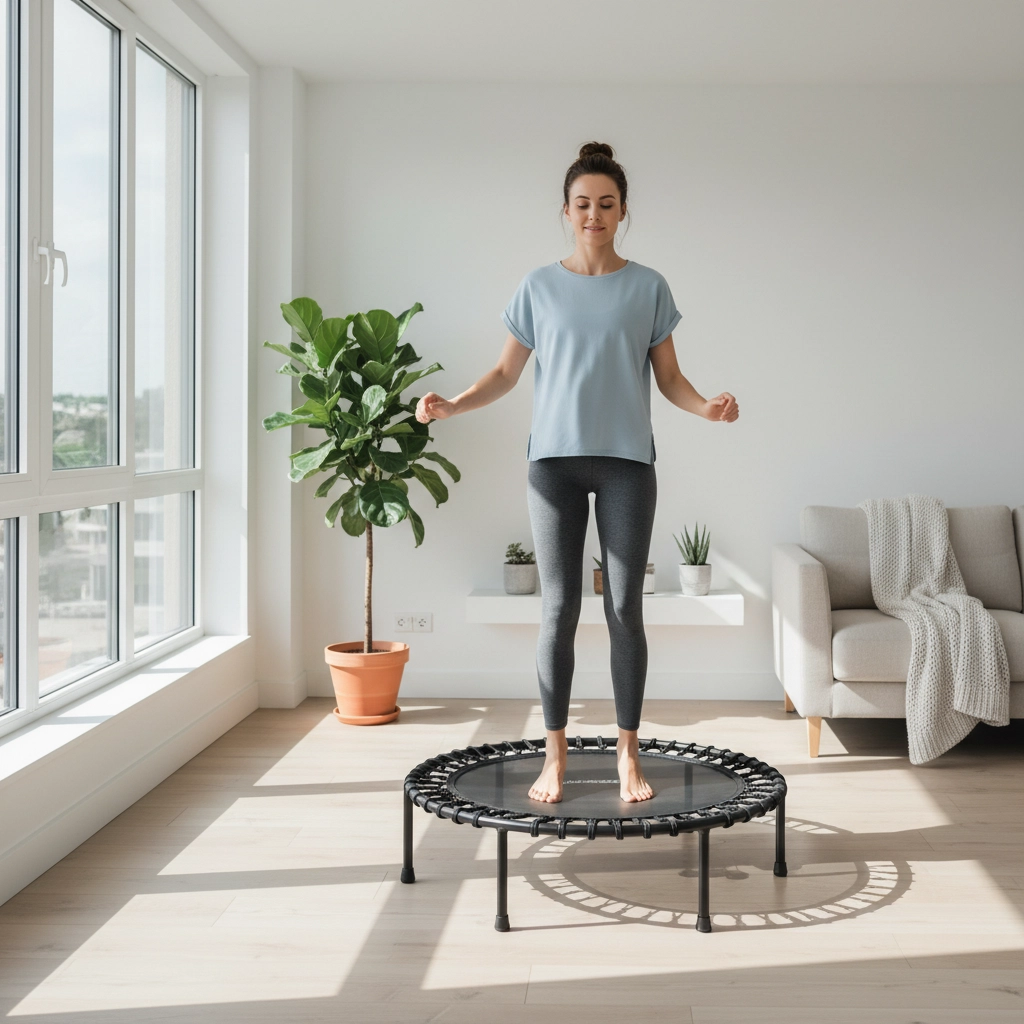
Jumping on a mini trampoline for 5-10 minutes
Jumping jacks during TV commercial breaks
Skipping rope in your garden
Even bouncing gently on your toes while brushing teeth
Swimming provides excellent lymphatic support. The water pressure acts like a full-body compression garment, helping move lymph fluid while the swimming motion engages multiple muscle groups.
Stay Hydrated - Give Your System What It Needs
Proper hydration keeps lymph fluid thin and flowing freely. When you're dehydrated, lymph becomes thick and sluggish, making it harder for your system to eliminate toxins.
Water intake should be steady throughout the day. Aim for clear or pale yellow urine as your hydration guide rather than forcing yourself to drink a specific amount.
Morning hydration kick-starts your lymphatic system. Start your day with a large glass of room temperature water, possibly with fresh lemon juice to support natural detoxification.
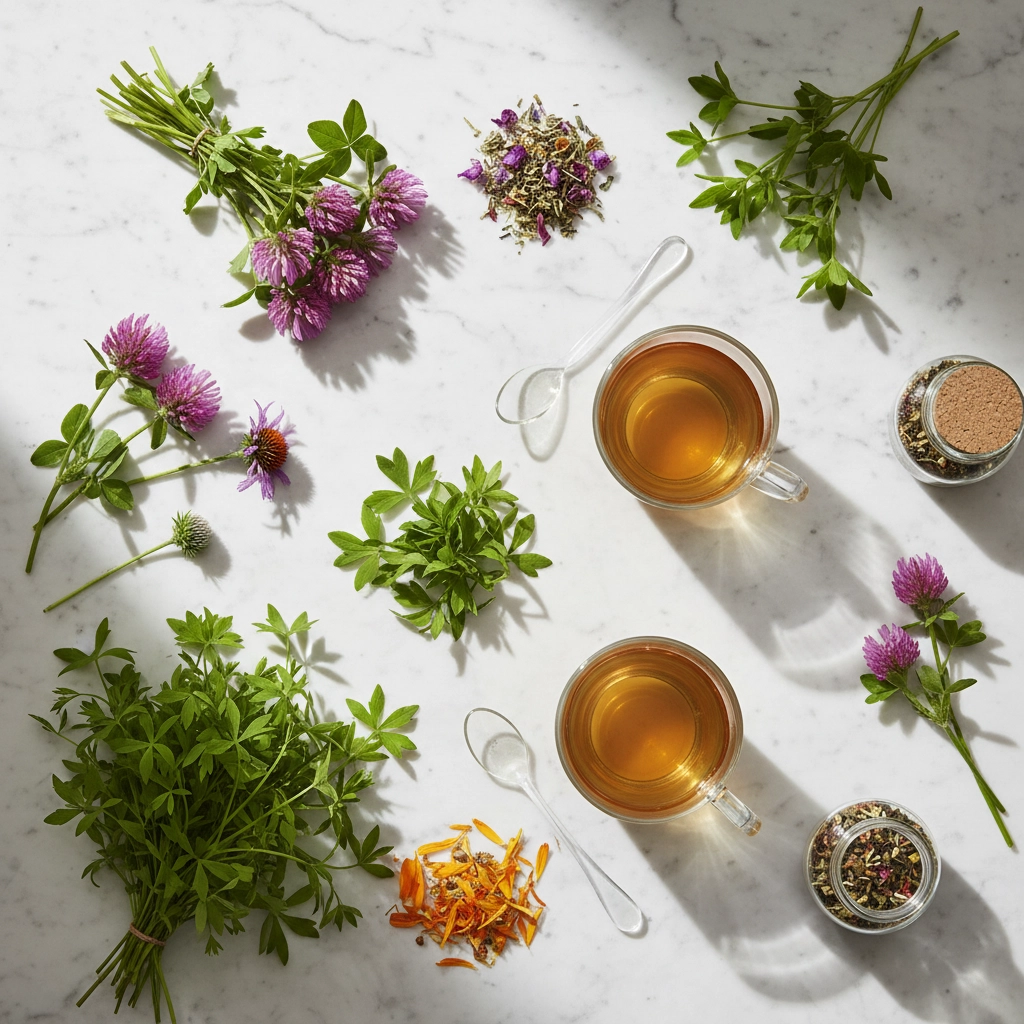
Herbal teas count towards your fluid intake while providing additional lymphatic support. Green tea contains antioxidants that help reduce inflammation, while ginger tea can stimulate circulation.
Harness the Power of Herbs
Certain herbs have been traditionally used to support lymphatic function and reduce inflammation throughout the body.
Cleavers (Galium aparine) is considered the premier lymphatic herb. It gently stimulates lymph flow and helps reduce swelling. You can find it in herbal teas or tinctures.
Red clover supports lymphatic drainage while providing nutrients that help purify the blood. It's commonly available in tea form or as part of herbal blends.
Echinacea is well-known for immune support, but it also helps stimulate lymphatic circulation. This makes it particularly useful during cold and flu season.
Calendula has anti-inflammatory properties that can help reduce lymphatic congestion. It's gentle enough for daily use in tea form.
At Nye Vigour, you'll find quality herbal supplements that can support your body's natural detoxification processes as part of a healthy lifestyle.
Master Simple Self-Massage Techniques
Self-massage for lymphatic drainage uses light, gentle strokes rather than deep pressure. The goal is to encourage lymph flow toward your lymph nodes.
Basic technique principles:
Use light pressure - imagine stroking a sleeping baby
Always move toward your nearest lymph nodes
Start from your feet and work upward
Spend 5-10 minutes, 2-3 times per week
Leg drainage: Sit comfortably and use flat palms to stroke from your ankles toward your knees, then from knees toward your groin area where major lymph nodes are located.
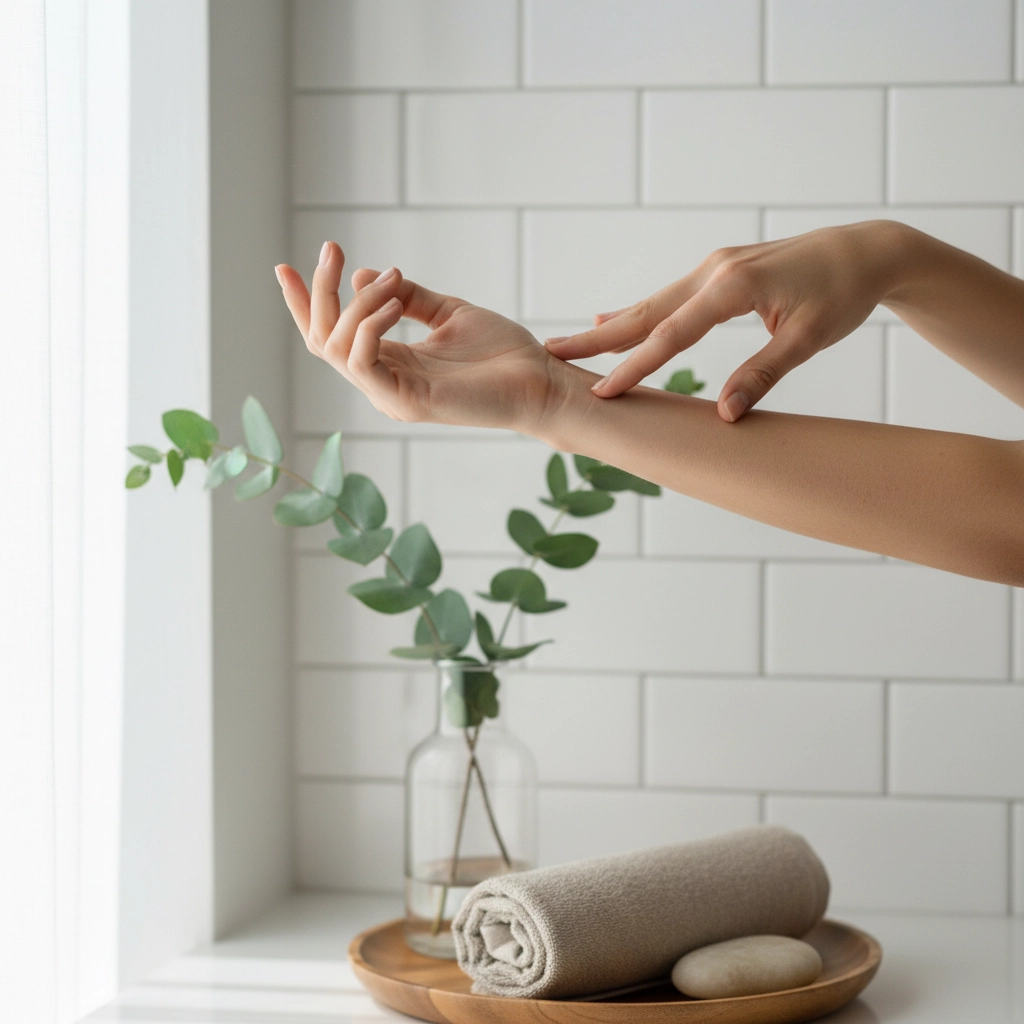
Arm drainage: Start at your fingertips and stroke toward your wrists, then from wrists to elbows, and finally from elbows toward your armpits.
Neck and face: Use gentle circular motions around your ears and down toward your collarbone, where important lymph drainage points are located.
Dry brushing before showering can stimulate lymphatic flow. Use a natural bristle brush with light, upward strokes toward your heart.
Optimize Your Daily Habits
Small lifestyle adjustments can significantly impact your lymphatic health without requiring major changes to your routine.
Clothing choices matter more than you might think. Tight clothing, especially around lymph node areas like your groin, armpits, and neck, can restrict lymph flow. Choose comfortable, well-fitting clothes that don't create constant pressure.
Sleep position can help lymphatic drainage overnight. Elevating your legs slightly while sleeping uses gravity to assist lymph flow back toward your torso.
Deep breathing exercises support lymphatic function. The diaphragm acts like a pump for lymphatic fluid in your chest area. Try taking 10 deep, slow breaths several times throughout your day.
Temperature therapy can stimulate circulation. Alternating between warm and cool water in the shower creates a pumping action that helps move lymph fluid. End with cool water to boost circulation.
Foods That Support Lymphatic Health
Your diet plays a supporting role in maintaining healthy lymphatic function.
Anti-inflammatory foods reduce the burden on your lymphatic system:
Leafy greens like spinach and kale
Fatty fish rich in omega-3s
Colorful berries packed with antioxidants
Nuts and seeds for healthy fats
Limit processed foods that create inflammation and extra work for your detox systems. Excessive sugar, refined carbohydrates, and artificial additives can contribute to lymphatic congestion.
Citrus fruits naturally support lymphatic function. The vitamin C and bioflavonoids in oranges, lemons, and grapefruits help maintain healthy lymphatic vessels.
Create a Simple Daily Routine
Consistency matters more than intensity when supporting your lymphatic system. Here's a realistic daily approach:
Morning: Glass of water with lemon, 5 minutes of gentle movement or stretching
Throughout the day: Regular water intake, choose stairs over elevators, take walking breaks
Evening: 10 minutes of self-massage or dry brushing before your shower
Weekly: One longer walk or swim, prepare herbal teas for the week ahead
When to Seek Professional Support
While these simple techniques are safe for most people, certain situations warrant professional guidance. If you experience persistent swelling, recurring infections, or have been diagnosed with lymphedema, consult with a healthcare provider or certified lymphatic drainage therapist.
Professional lymphatic drainage massage can provide more targeted support, especially after surgery, injury, or during illness recovery.
Building Long-Term Lymphatic Health
Supporting your lymphatic system isn't about perfection - it's about consistency with simple, sustainable habits. Start with one or two techniques that fit easily into your current routine, then gradually add others as they become natural.
Your body's detox system works best when supported consistently rather than occasionally overwhelmed with intensive treatments. Small daily actions compound over time to create significant improvements in how you feel and function.
Remember that supporting lymphatic health is part of overall wellness. Combine these techniques with adequate sleep, stress management, and a balanced approach to nutrition for the best results.
Your lymphatic system has been quietly serving you every day of your life. With these simple strategies, you can return the favor and help it work at its best.
Comments